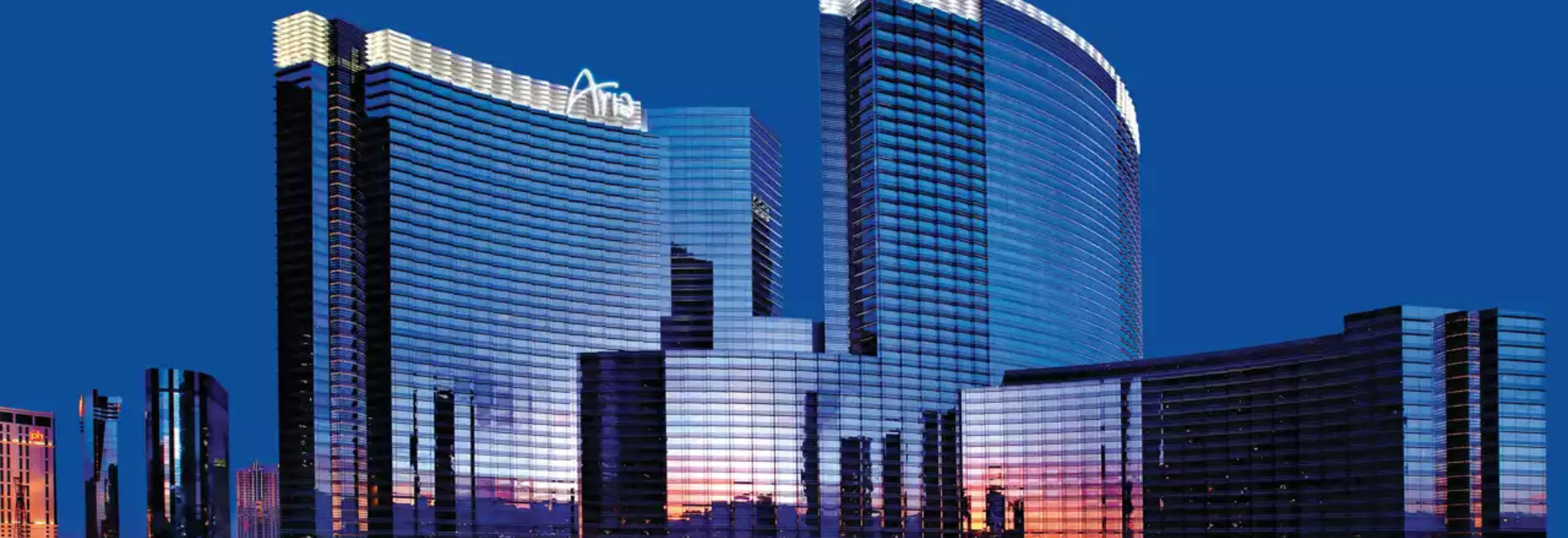
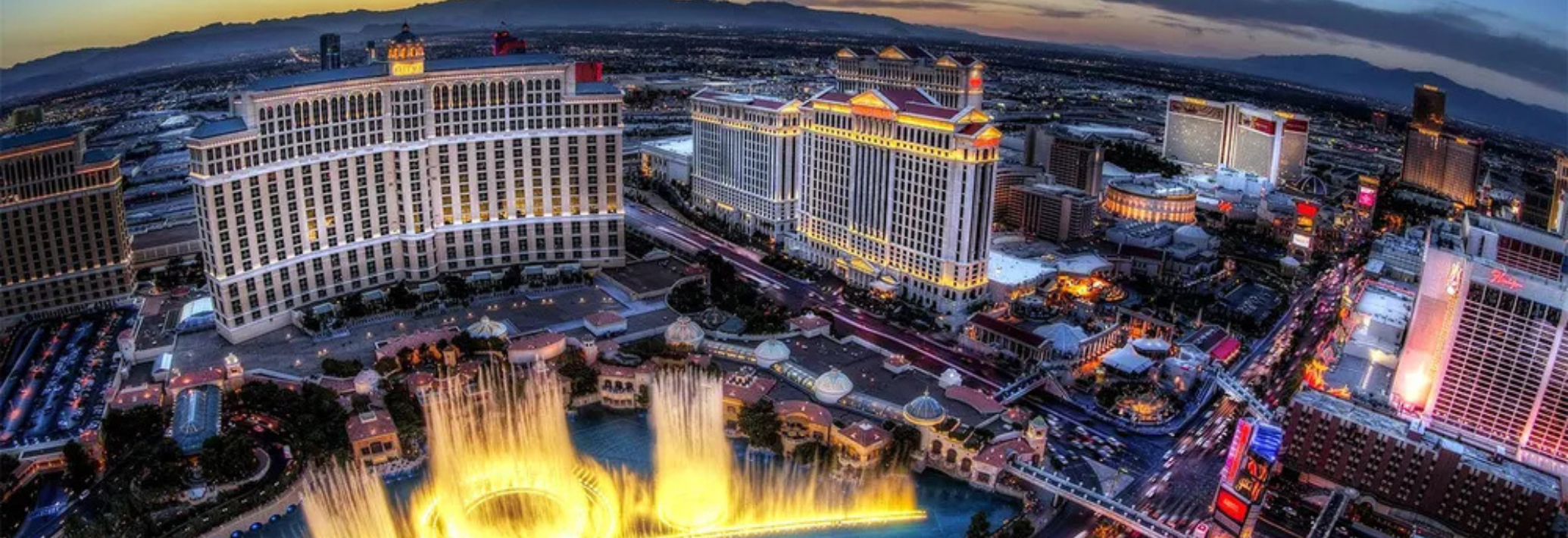
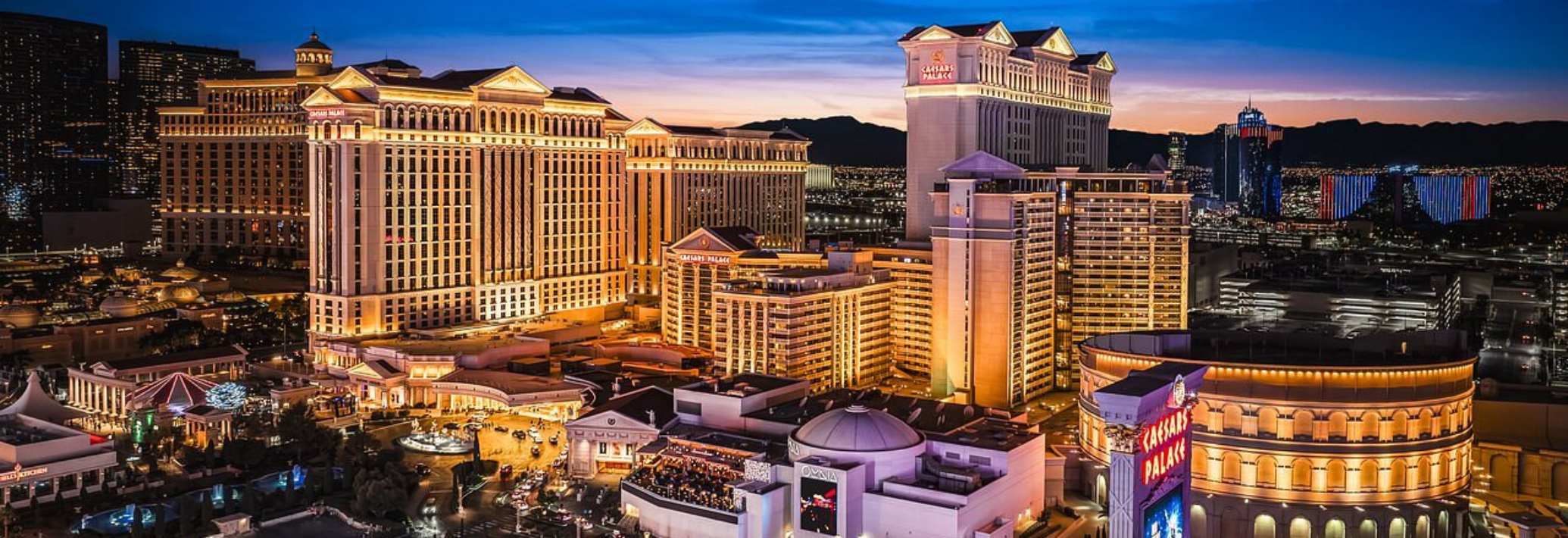
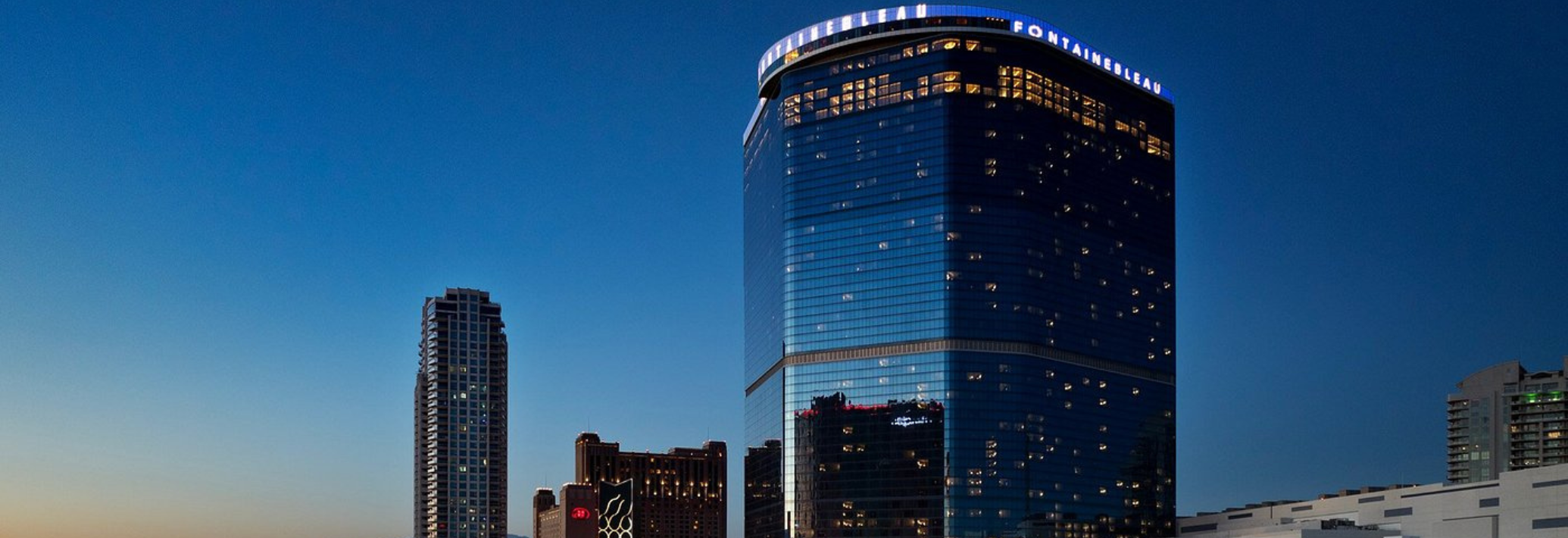
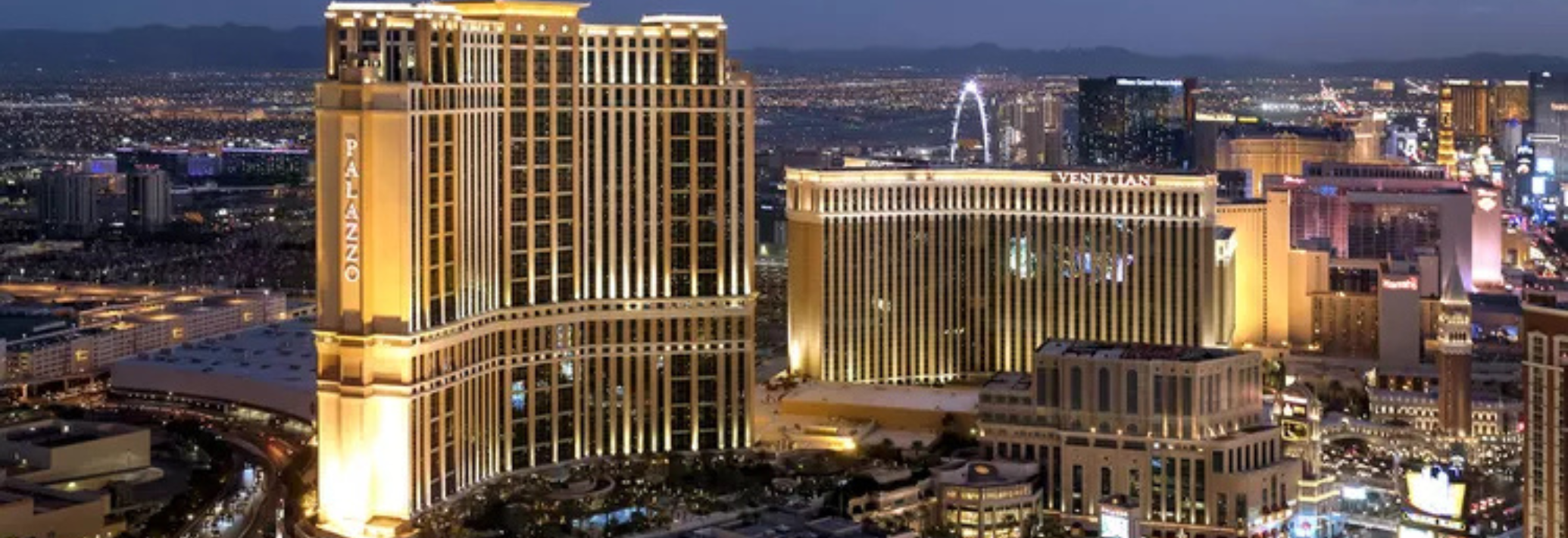
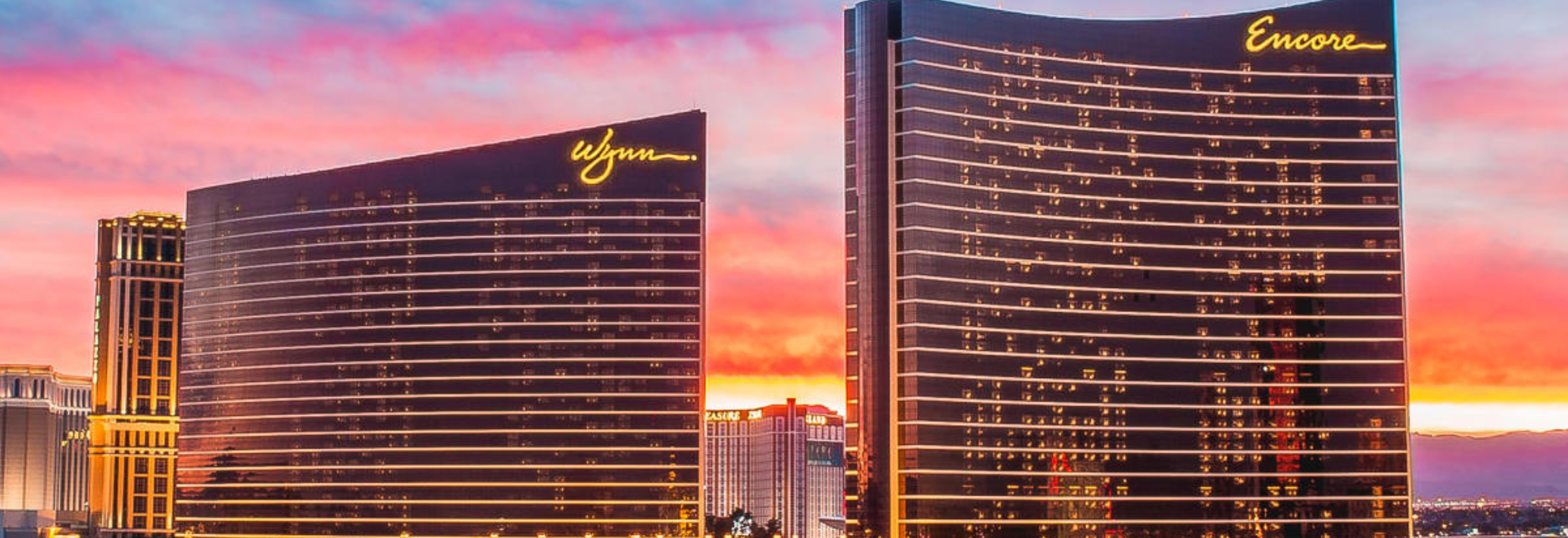
The Las Vegas Strip is a 4.2-mile (6.8 km) stretch of South Las Vegas Boulevard in Las Vegas, Nevada, famed worldwide for its concentration of luxury resorts, casinos, and entertainment venues. It serves as the city’s entertainment and tourism hub, attracting millions of visitors annually and symbolizing the spectacle of modern Las Vegas.
Key facts
Length: Approximately 4.2 miles (6.8 kilometers)
Location: Las Vegas Boulevard South, Las Vegas, Nevada
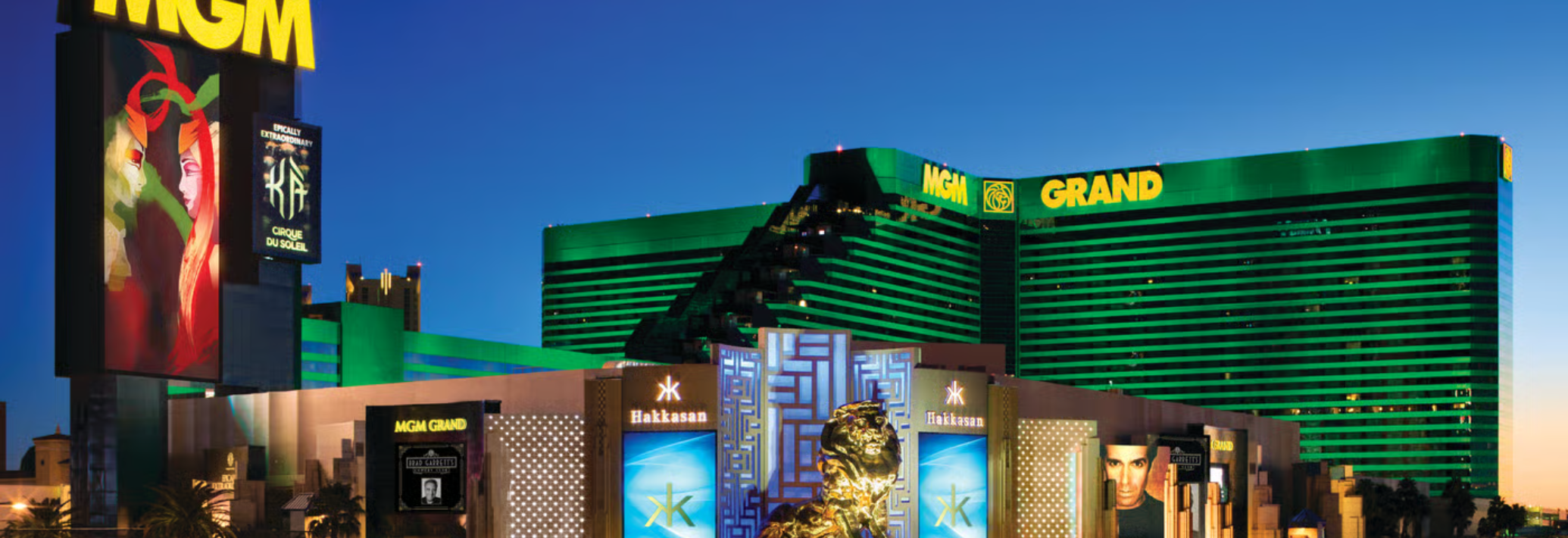
Major resorts: Bellagio Hotel and Casino, Caesars Palace, The Venetian Resort Las Vegas, MGM Grand, Wynn Las Vegas
Opened (as tourism corridor): Mid-20th century
Annual visitors: Over 40 million
History and development
The Strip evolved from a desert highway lined with small casinos in the 1940s into one of the most famous entertainment districts in the world. Early icons such as the Flamingo Hotel, opened by Bugsy Siegel in 1946, marked the beginning of large-scale resort development. The 1980s and 1990s brought megastructures with distinctive themes and grand spectacles, reshaping the city’s skyline.
Architecture and attractions
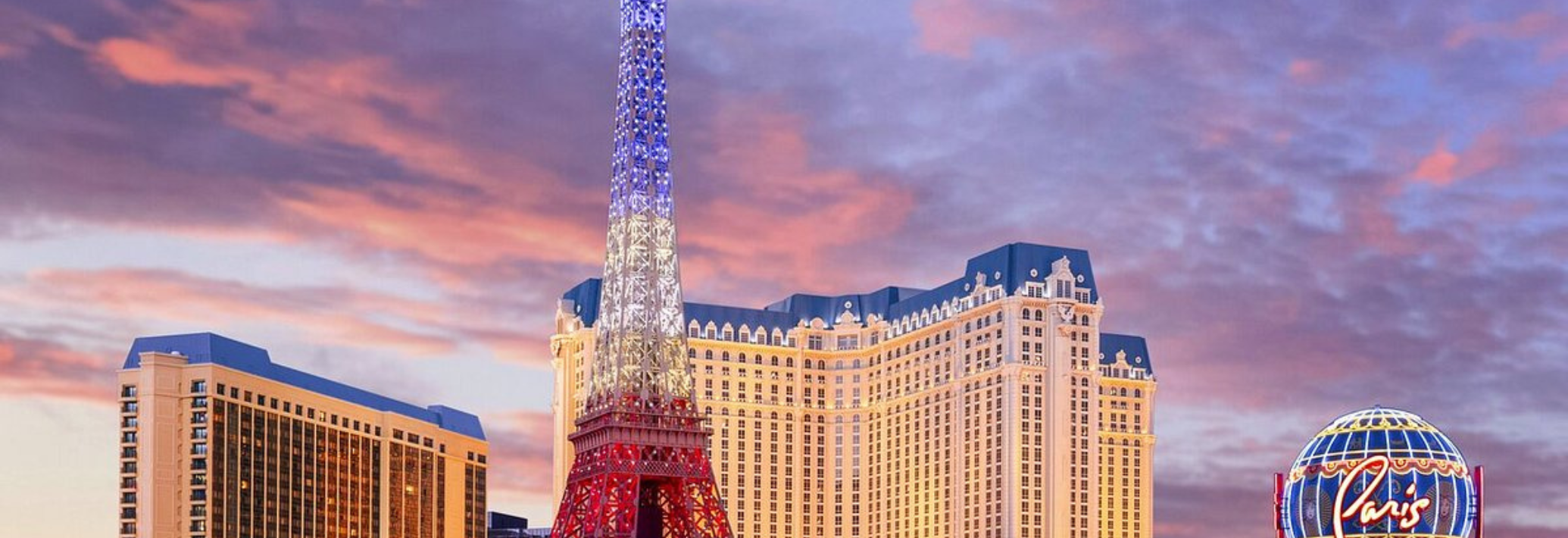
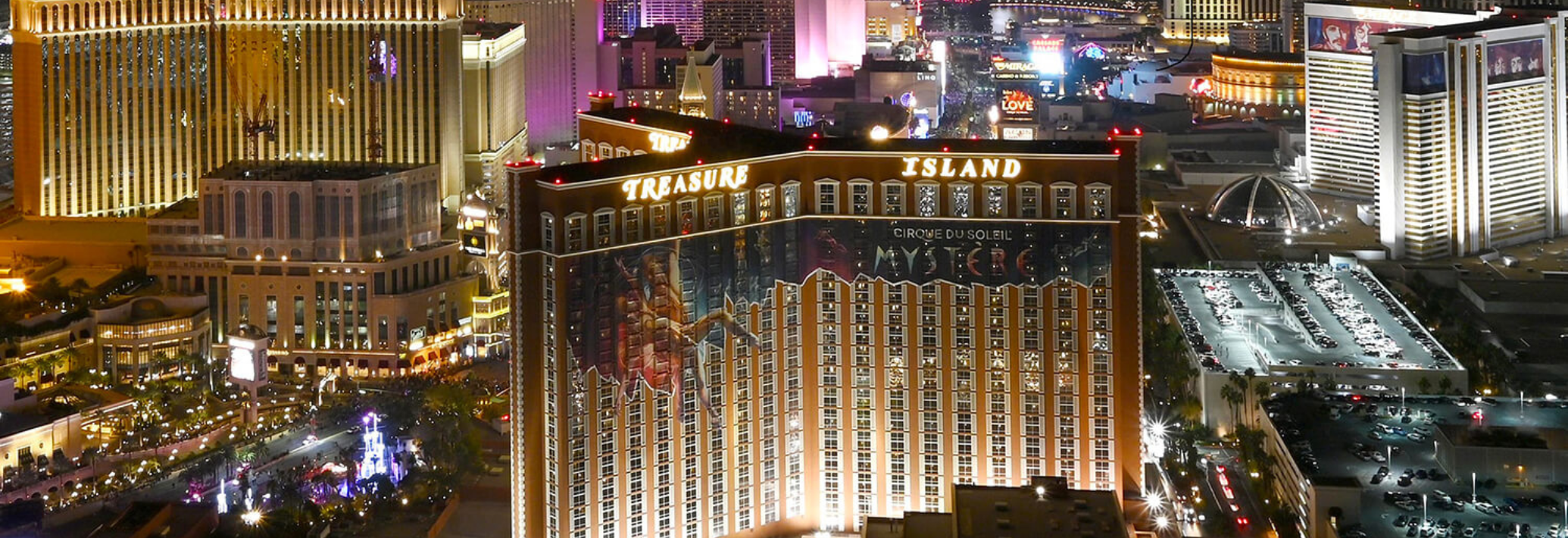
Architecturally, the Strip is notable for its extravagant themed resorts that replicate global landmarks, such as the Eiffel Tower at Paris Las Vegas and the canals of Venice at The Venetian Resort Las Vegas. Attractions include the Fountains of Bellagio, High Roller observation wheel, and immersive live shows by Cirque du Soleil and major recording artists.
Economic and cultural impact
The Strip drives the majority of Nevada’s tourism revenue and has influenced urban design models for entertainment-driven economies worldwide. It also serves as a backdrop for films, television, and global events such as the Formula 1 Las Vegas Grand Prix and the New Year’s Eve fireworks celebration.
Current status
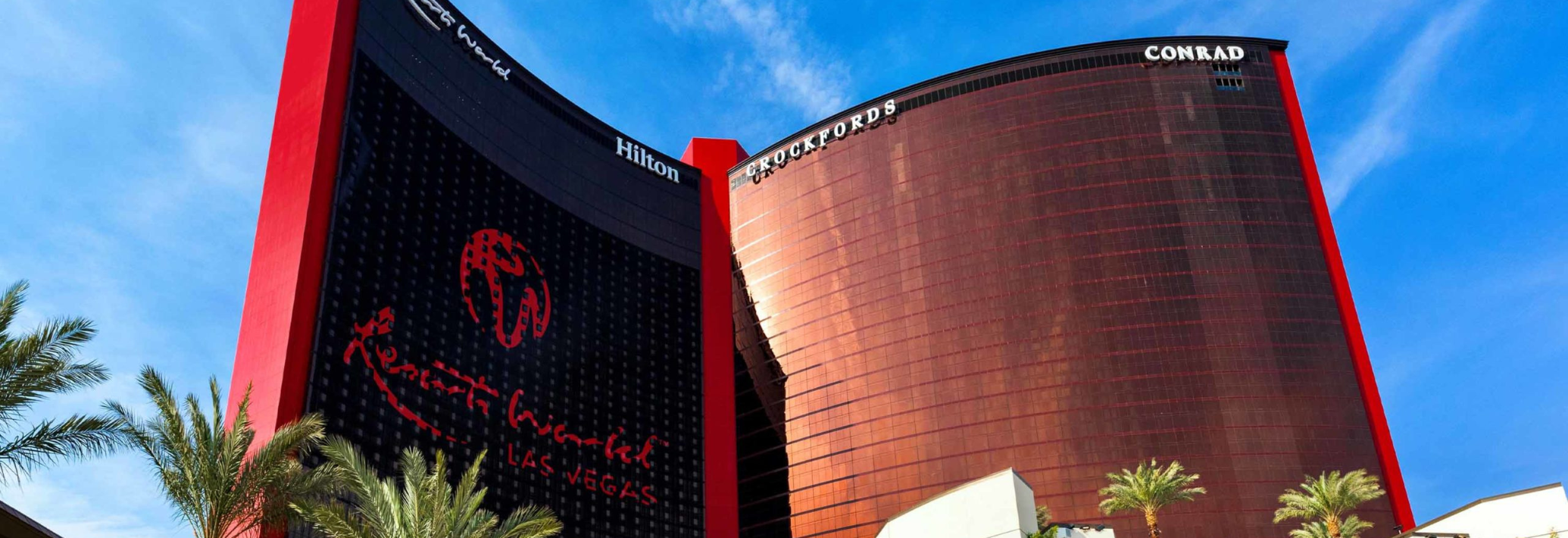
Ongoing redevelopment projects continue to modernize the Strip, with new resorts such as Resorts World Las Vegas and large-scale entertainment venues like the Sphere (opened in 2023). The area remains a defining symbol of leisure, spectacle, and architectural ambition in the United States.