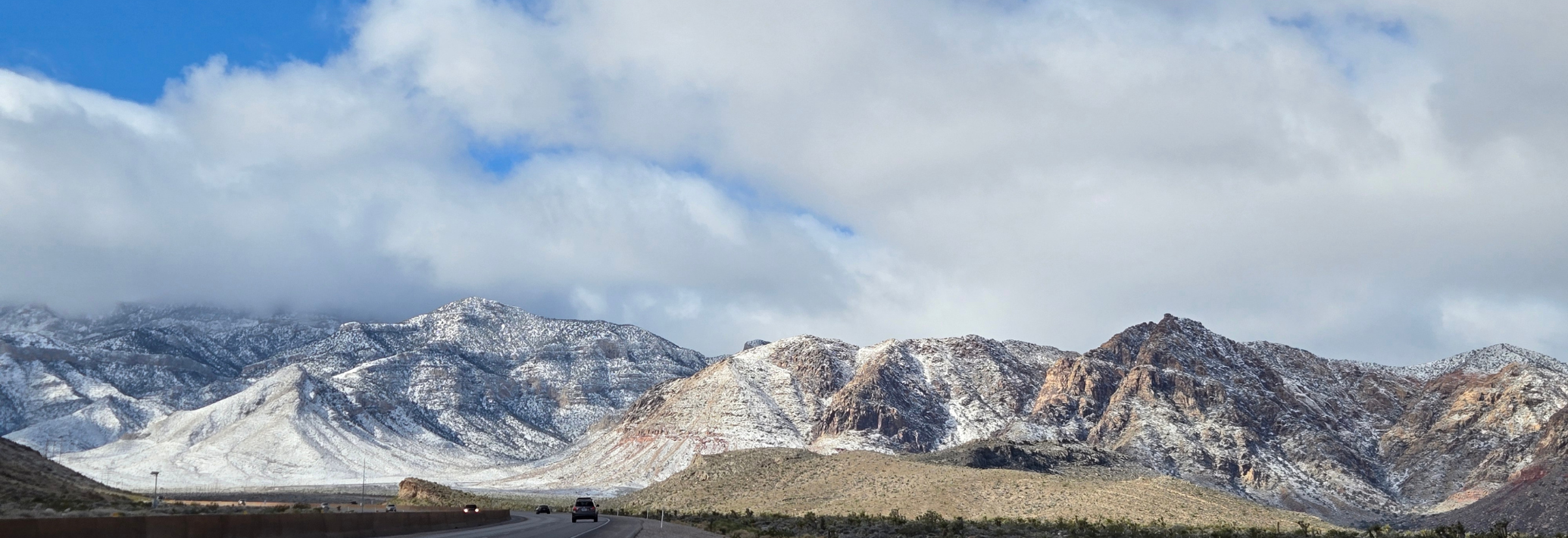
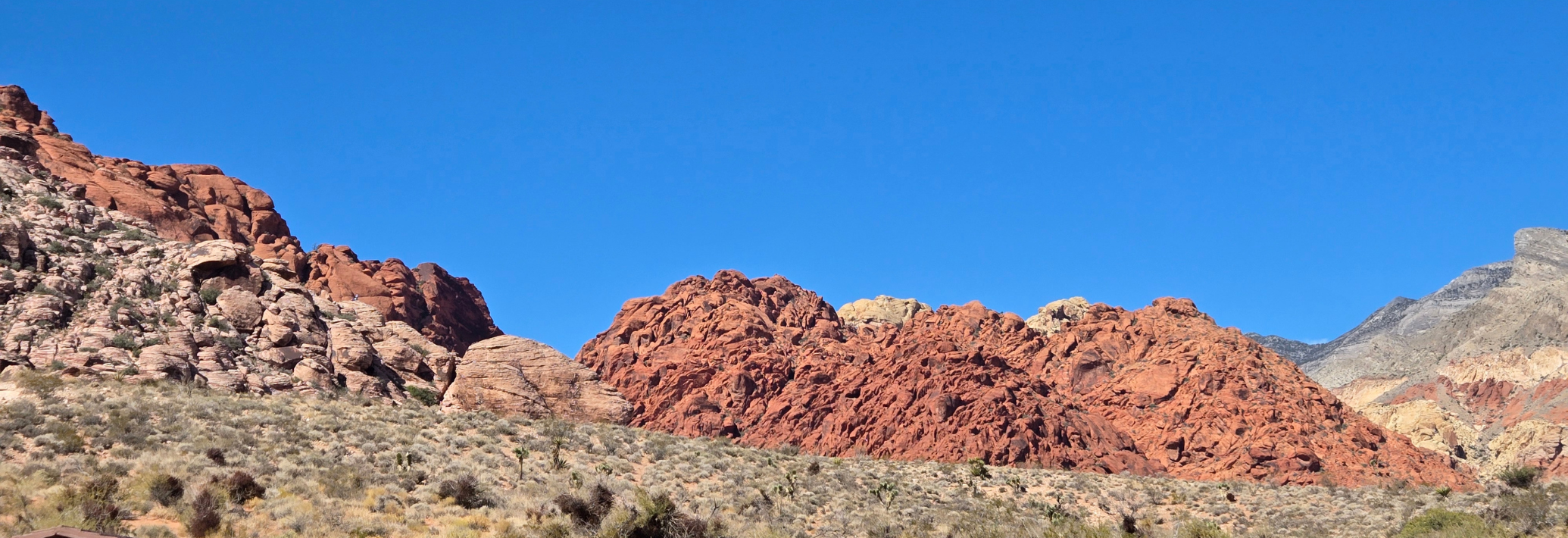
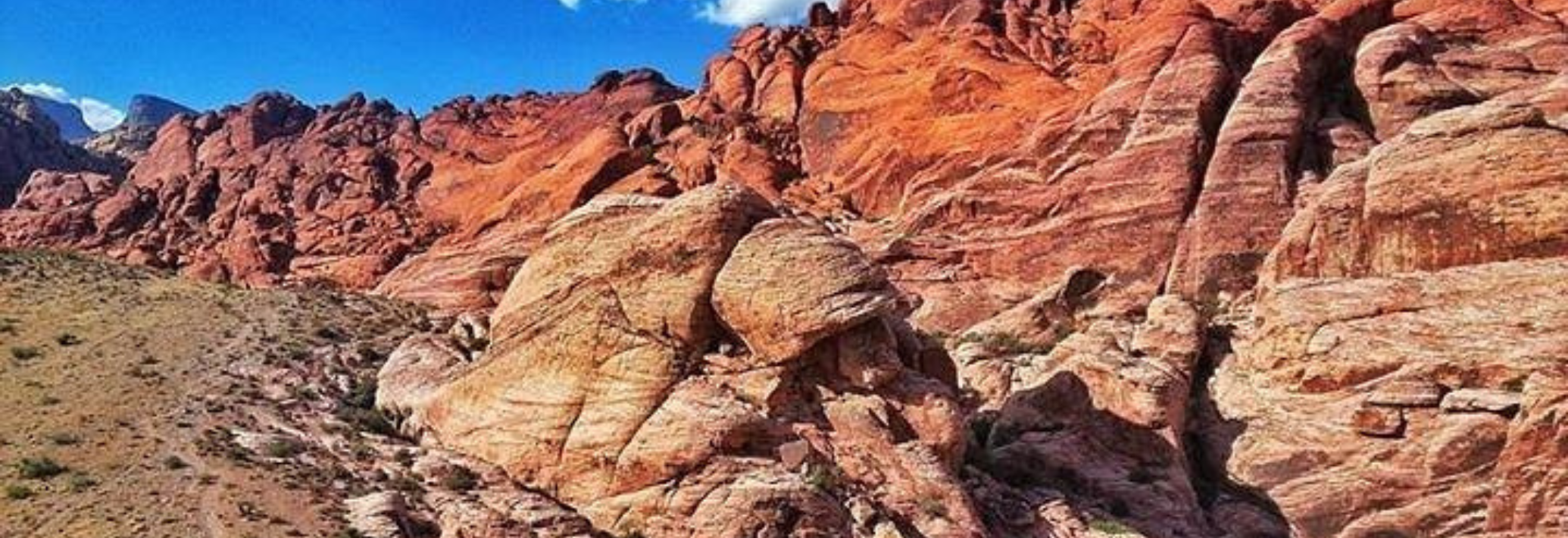
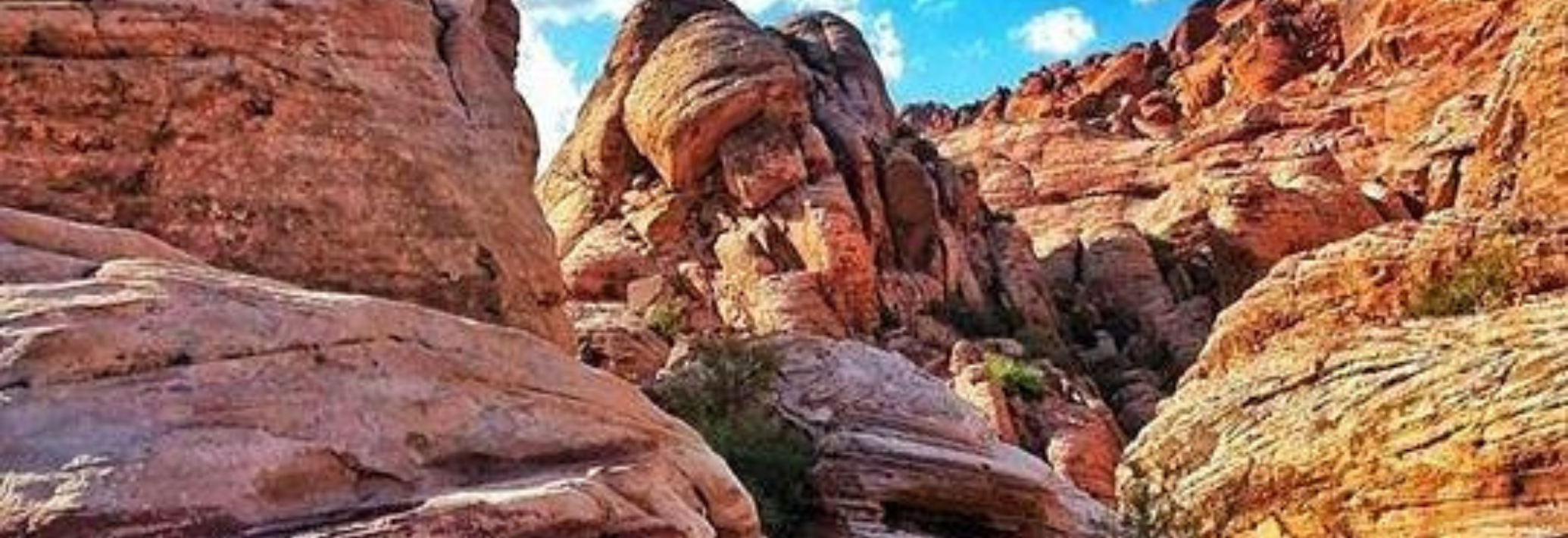
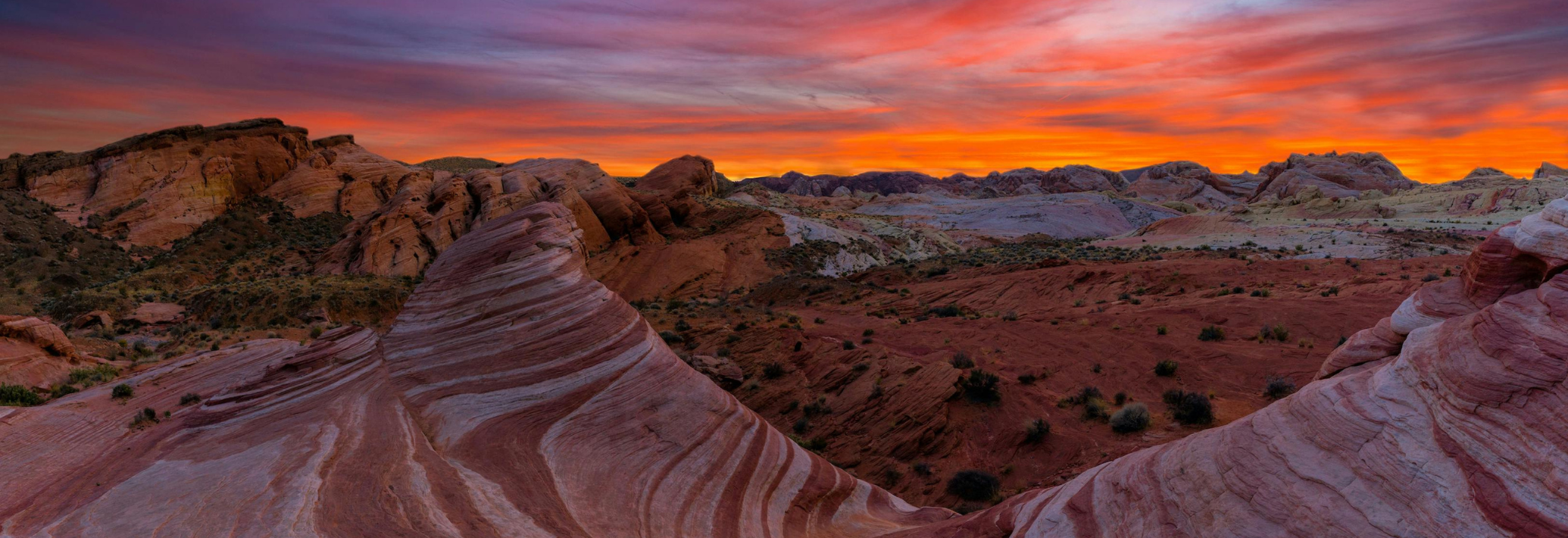
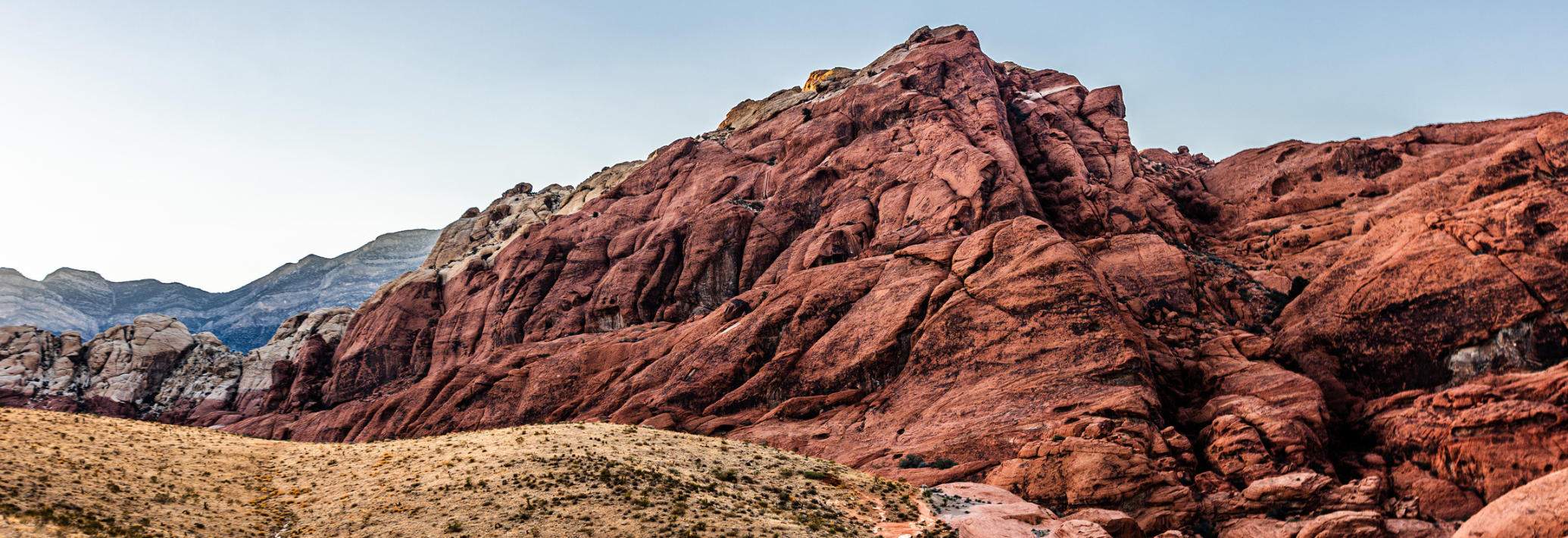
Red Rock Canyon National Conservation Area, 17 miles west of Las Vegas, Nevada, protects nearly 200,000 acres of Mojave Desert landscape. Managed by the Bureau of Land Management, it showcases dramatic Aztec sandstone cliffs, desert wildlife, and world-class hiking and climbing only minutes from the Las Vegas Strip.
Key facts
- Location: Clark County, Nevada, USA
- Area: ~198,000 acres (801 km²)
- Established: 1990 (National Conservation Area designation)
- Managing agency: Bureau of Land Management (BLM)
- Visitor count: Over 3 million annually
Geology and landscape
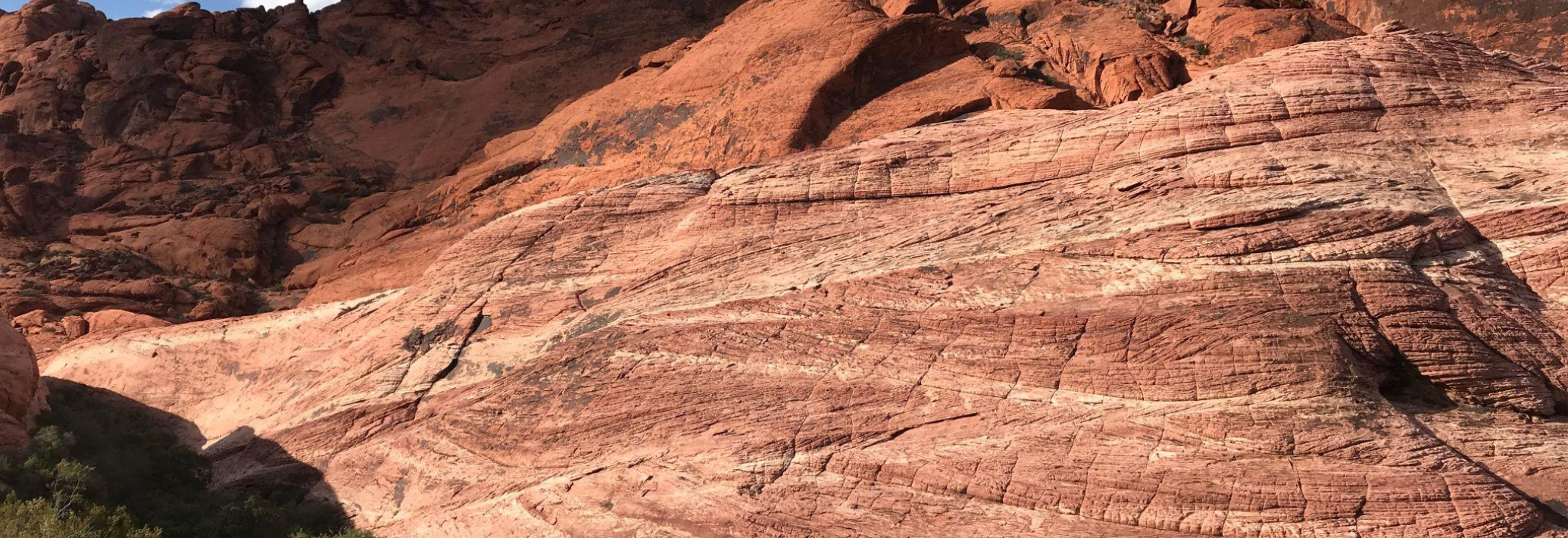
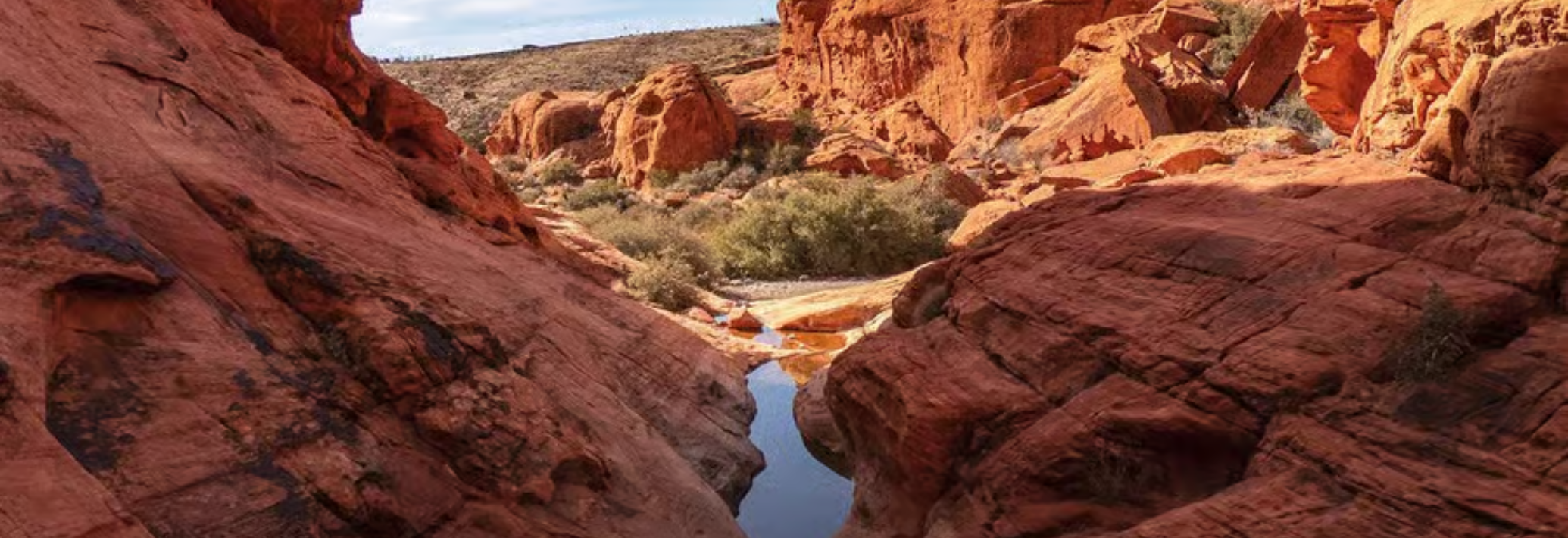
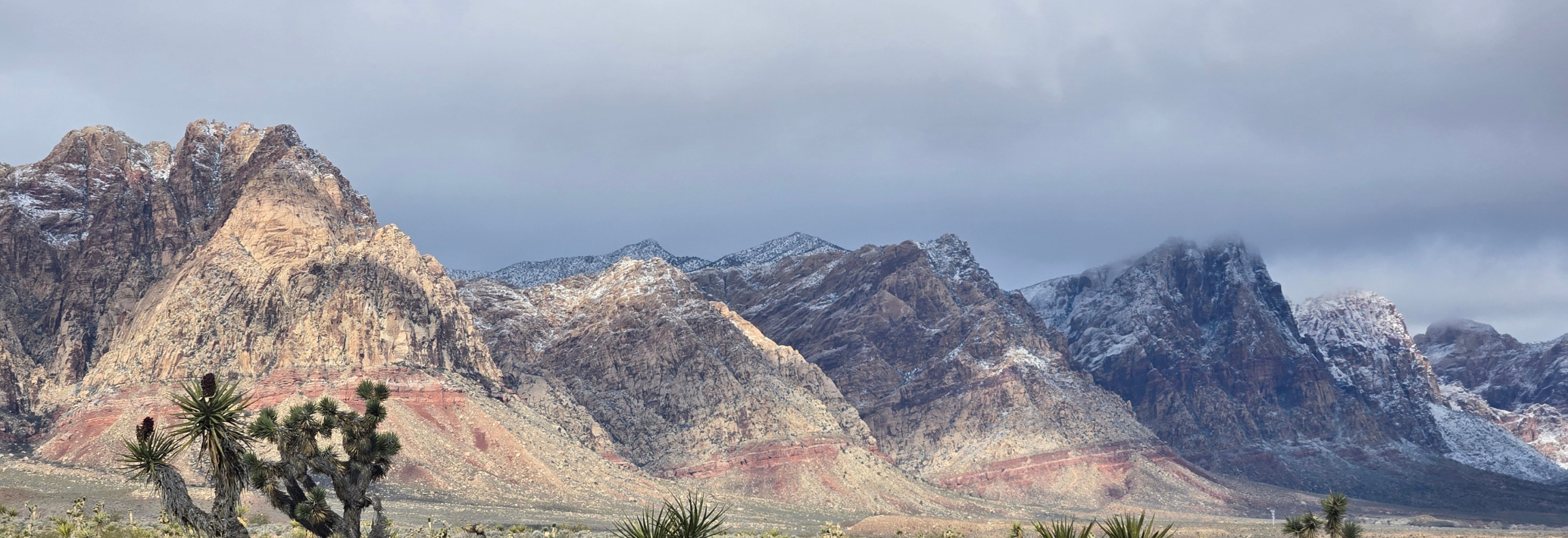
Red Rock Canyon’s towering formations are largely Jurassic-period Aztec sandstone colored by iron oxide, creating red, cream, and buff bands along the Keystone Thrust fault. Peaks in the Spring Mountains reach over 8,000 ft, contrasting with desert flats dotted by Joshua trees and creosote bush. Erosion and uplift have carved canyons such as Ice Box and Pine Creek, which occasionally hold waterfalls.
Recreation
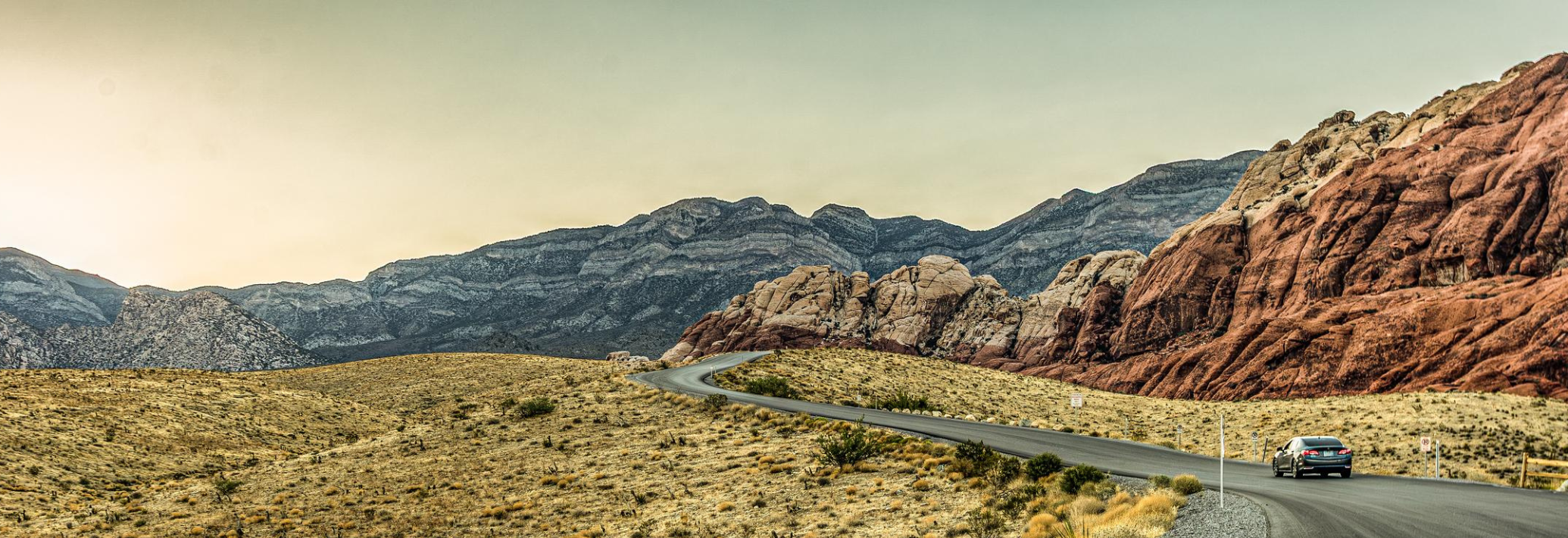
The 13-mile (21 km) one-way Scenic Drive offers pullouts to 21 trailheads, including the Calico Hills, Turtlehead Peak, and White Rock Loop. Visitors enjoy hiking, rock climbing, horseback riding, biking, and photography. Popular climbing routes on the sandstone walls draw athletes worldwide. Timed-entry reservations are required from October 1 to May 31 for daytime access.
Visitor facilities and access
The LEED-certified visitor center on Scenic Loop Drive features exhibits on geology, ecology, and cultural history, plus live desert tortoise habitats. The Red Rock Canyon Campground, two miles east, provides seasonal sites without hookups. Picnic areas at Willow Springs, Red Spring, and Red Rock Overlook include shade shelters and short accessible trails.
Ecology and conservation
Situated within the Mojave Desert, the area supports species such as bighorn sheep, desert tortoises, and over 250 flowering plants. Protection efforts focus on fragile cryptobiotic soils, archaeological rock art, and habitat for threatened wildlife. The BLM and partners like the Southern Nevada Conservancy promote Leave No Trace practices and guided educational programs.
Visiting considerations
Weather differs from Las Vegas due to higher elevation (visitor center 3,720 ft). Summer highs exceed 100 °F; flash floods and high winds are possible year-round. Limited cell service, no on-site fuel or food, and mandatory water preparation make visitor planning essential.