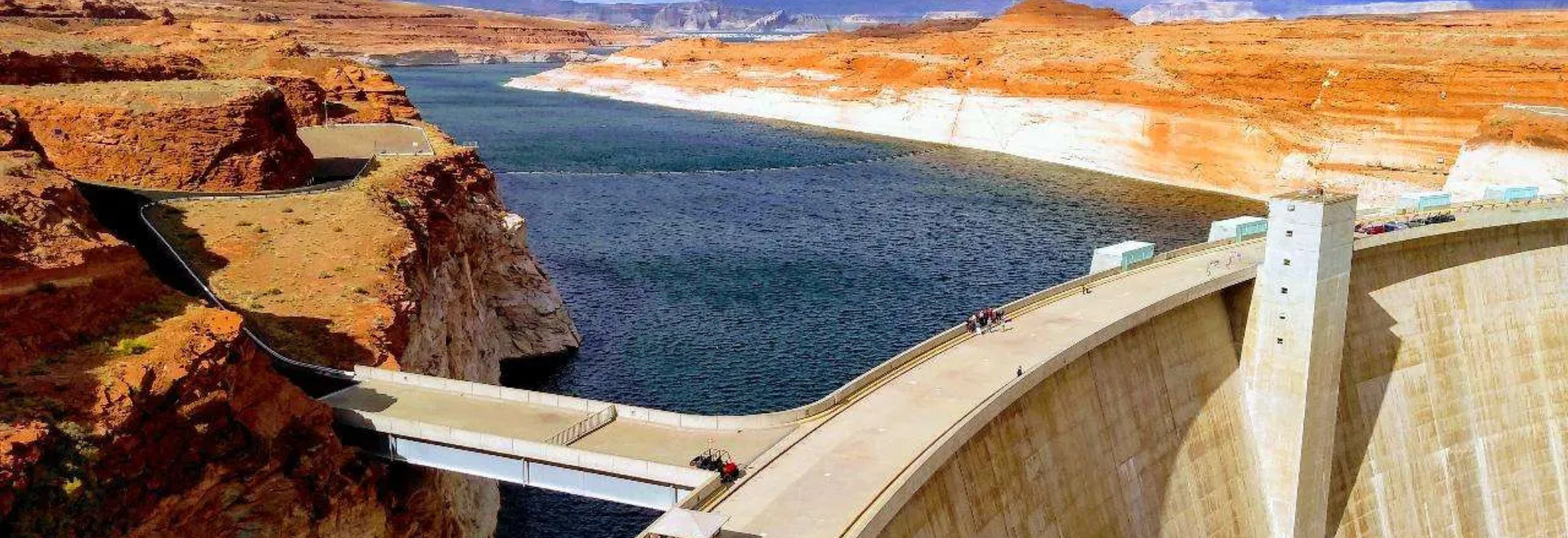
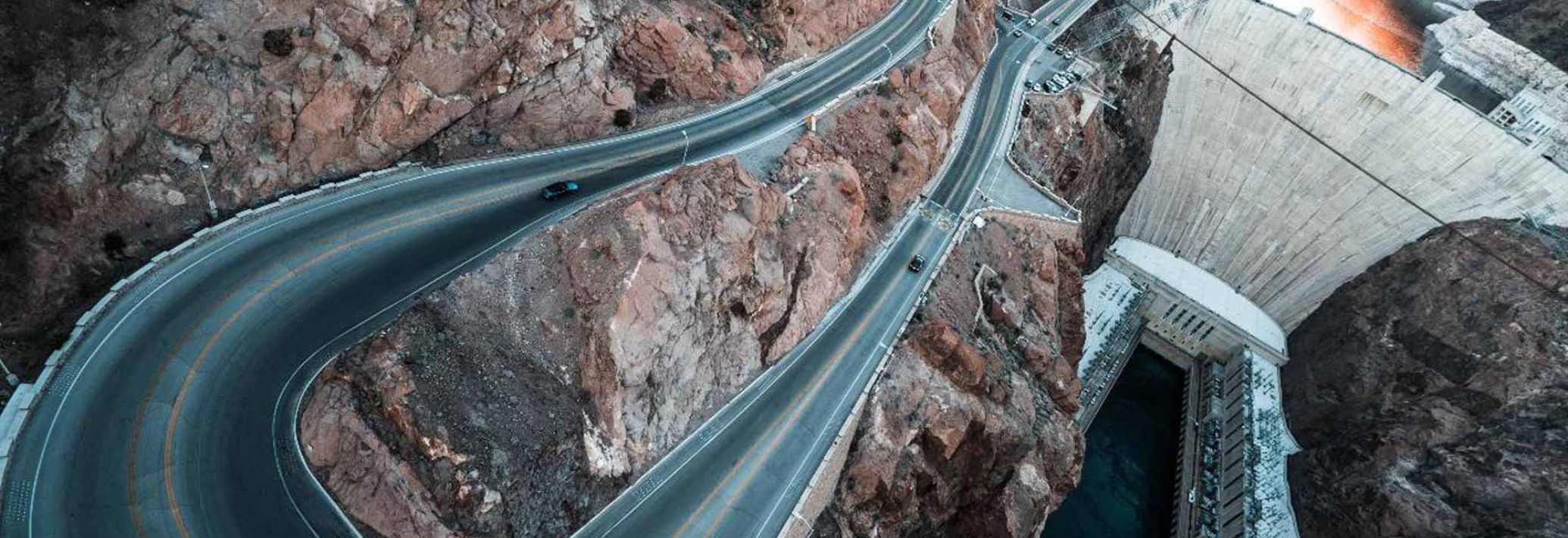
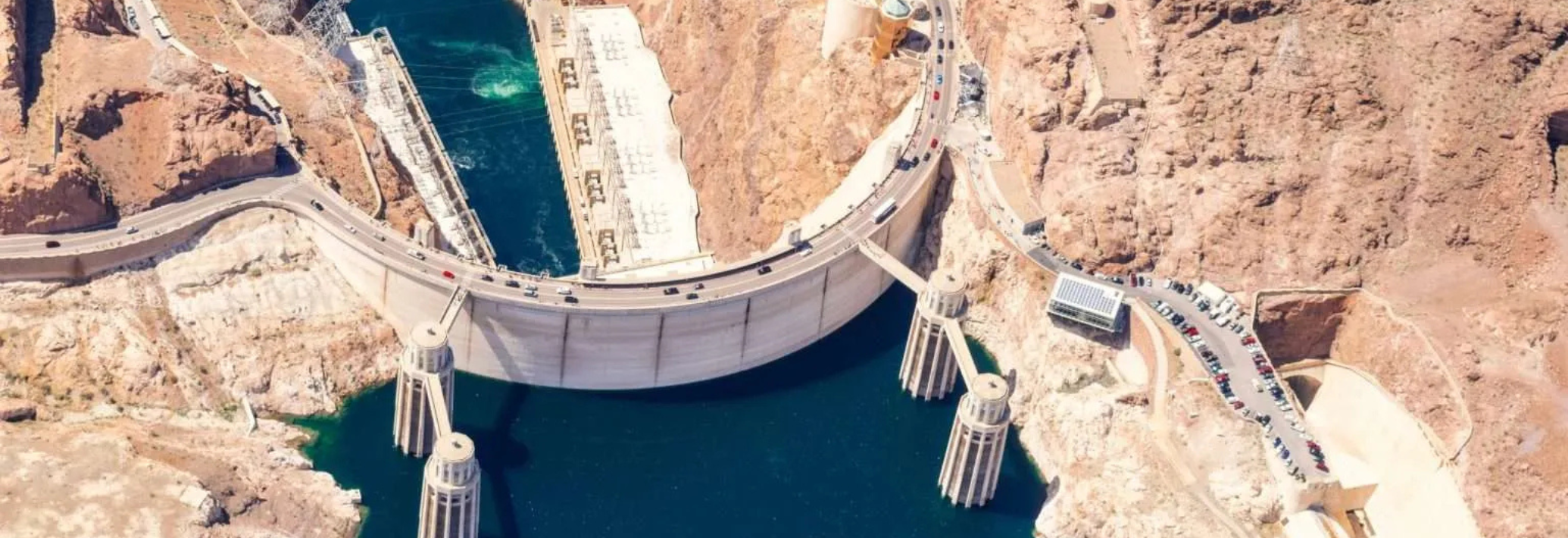
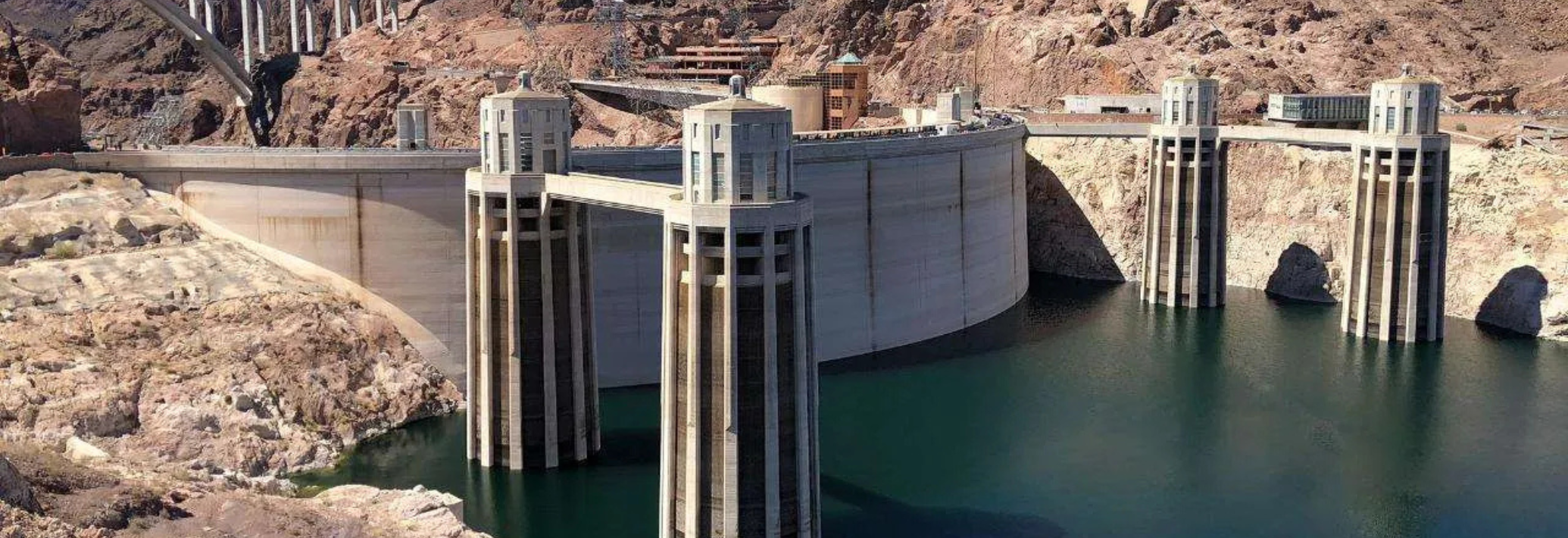
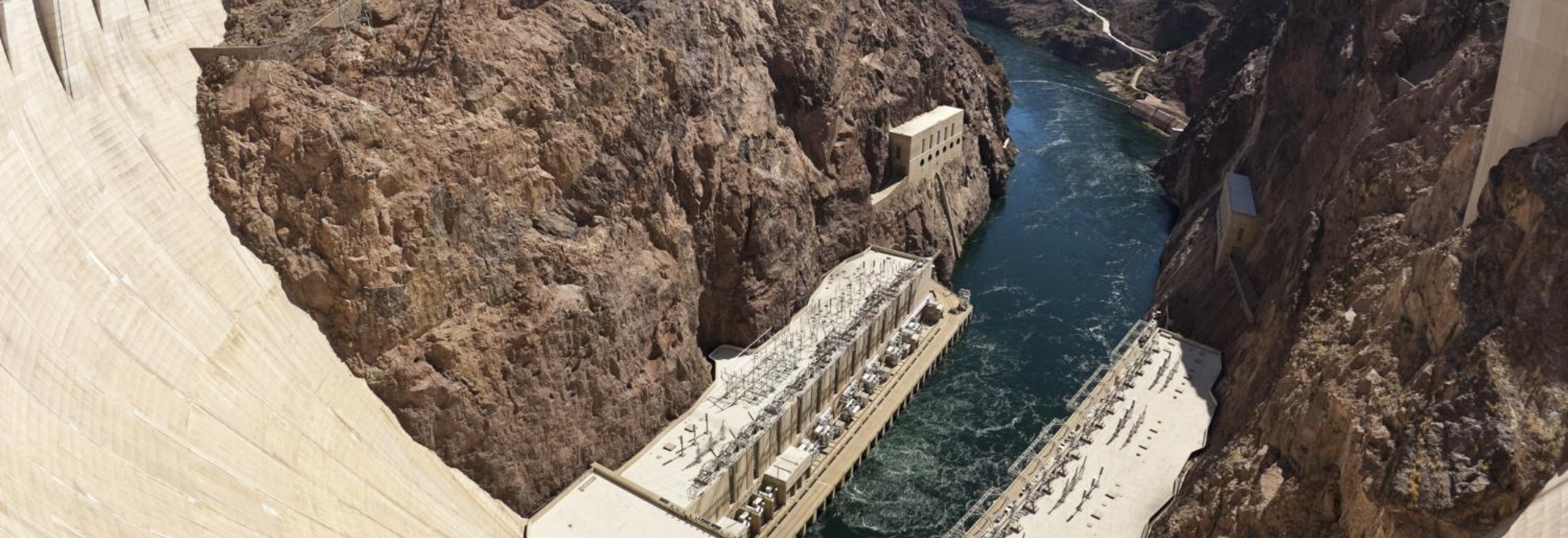
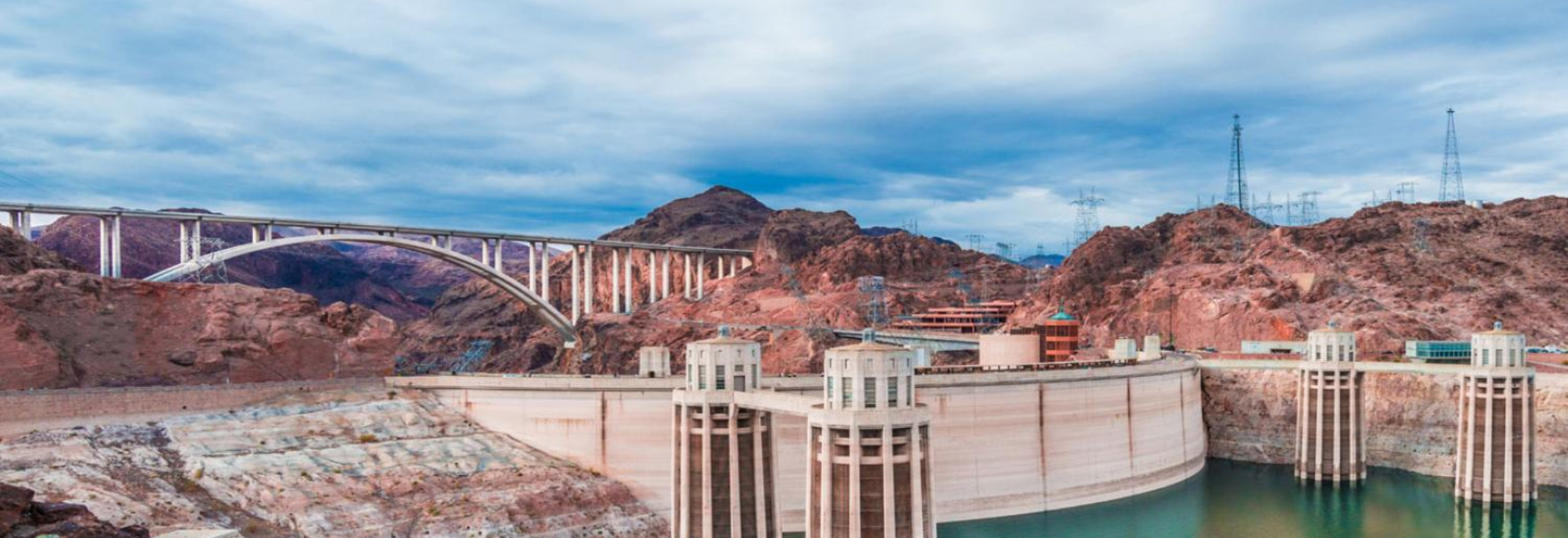
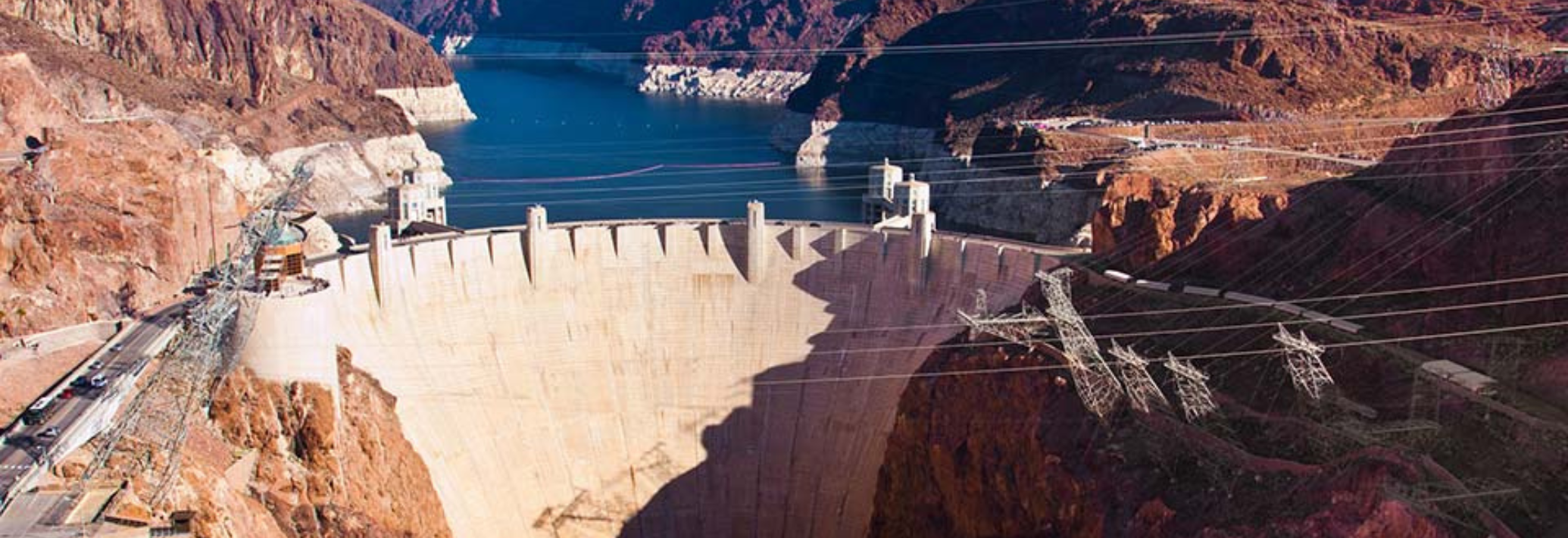
Hoover Dam is a massive concrete arch-gravity dam spanning the Colorado River between Nevada and Arizona. Completed in 1936, it controls floods, provides hydroelectric power, and supplies water to much of the southwestern United States. The dam is a hallmark of American engineering and a major tourist attraction.
Key facts
- Location: Nevada–Arizona border, U.S.
- Completed: 1936
- Height: 726 feet (221 meters)
- Reservoir: Lake Mead
- Power capacity: ~2,080 megawatts
Construction and Design
Built during the Great Depression, Hoover Dam was one of the largest and most ambitious public works projects of its time. Constructed by Six Companies, Inc., under the U.S. Bureau of Reclamation, it required thousands of workers and innovative techniques for large-scale concrete placement. Its art deco design and monumental scale symbolize 1930s American modernism and industrial might.
Function and Engineering
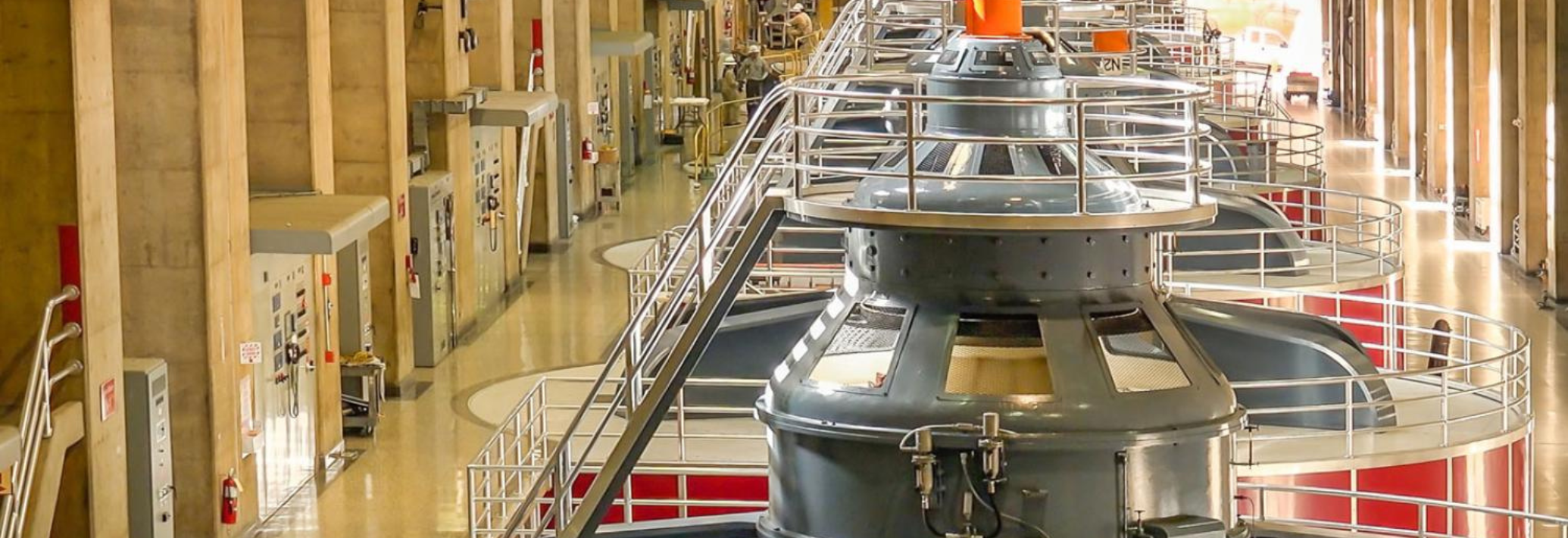
The dam serves multiple purposes: flood control, irrigation, water storage, and power generation. Its structure curves upstream to efficiently bear water pressure. Lake Mead, created by the dam, is among the largest reservoirs in the U.S., supplying water to Nevada, Arizona, California, and Mexico. The power plant’s turbines generate electricity distributed across the region.
Cultural and Historical Impact
The area hosts regular live performances on several outdoor stages, along with special events, festivals, and New Year’s Eve celebrations. Street performers, known locally as “buskers,” add to the energetic atmosphere. Nearby attractions include classic casinos such as the Golden Nugget, Binion’s, and the Four Queens.
Tourism and Preservation
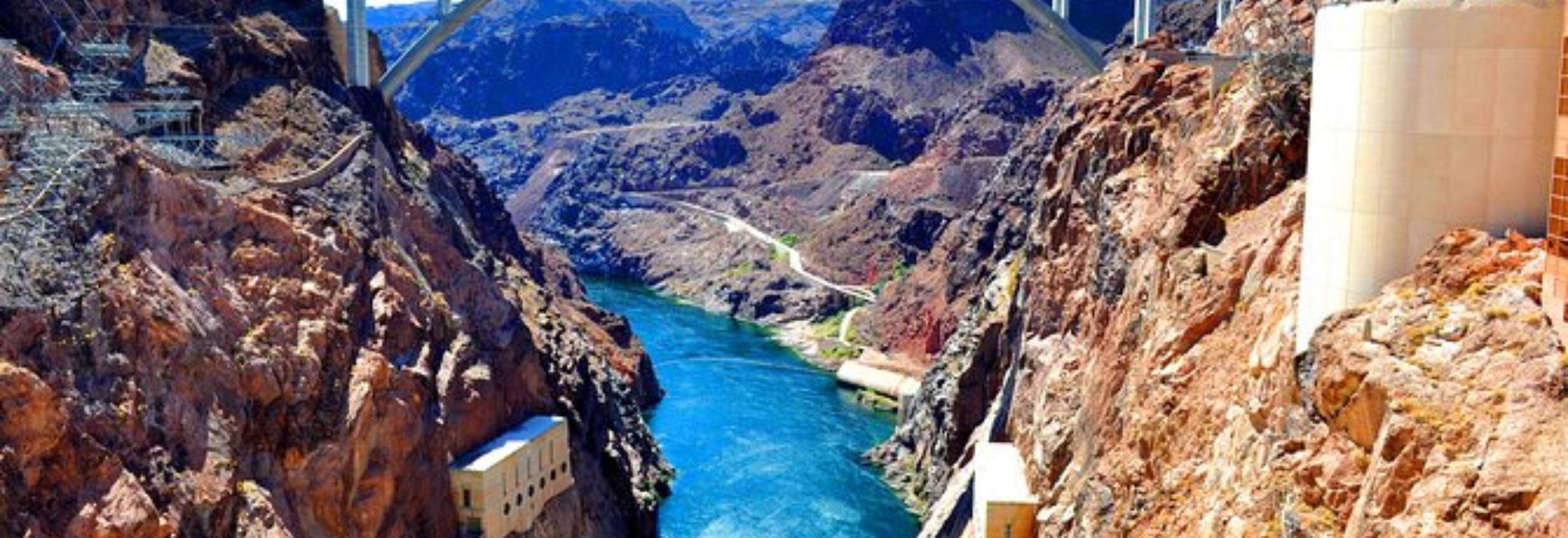
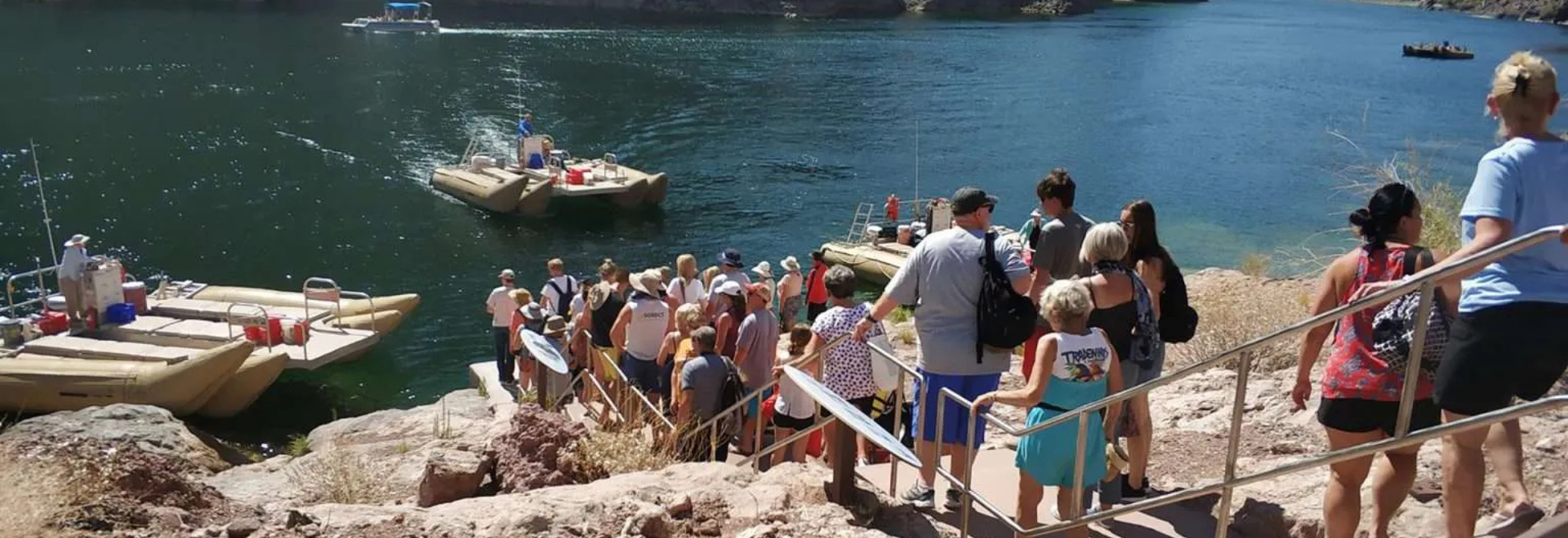
Today, Hoover Dam attracts nearly a million visitors annually. The site features a visitor center, guided tours, and scenic overlooks of the Mike O'Callaghan–Pat Tillman Memorial Bridge and Lake Mead. Ongoing maintenance and monitoring ensure structural integrity amid challenges such as drought and regional water demand. It remains both a functional utility and a monument to twentieth-century American ambition.