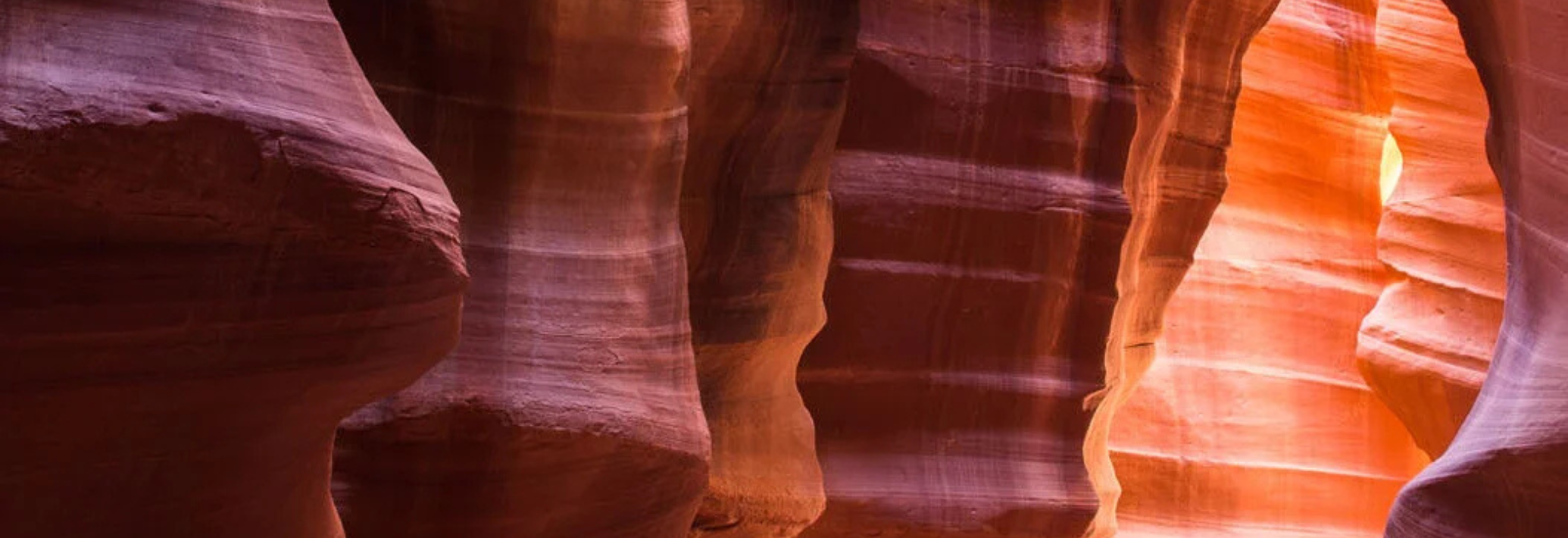
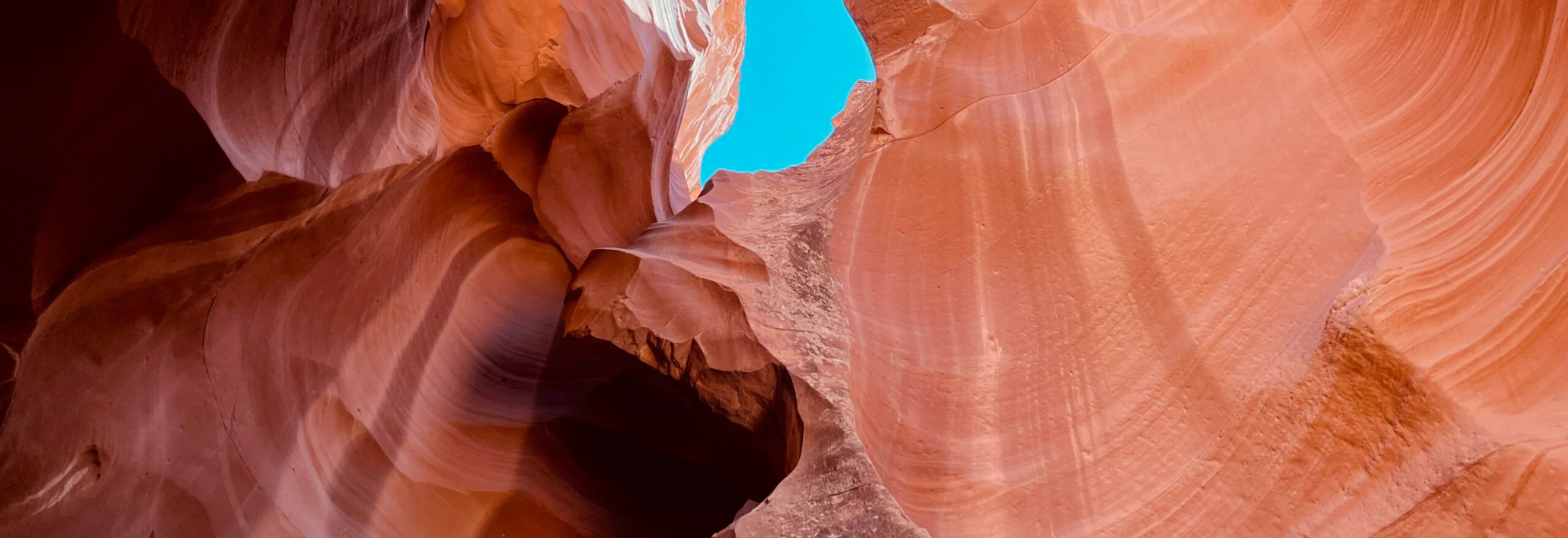
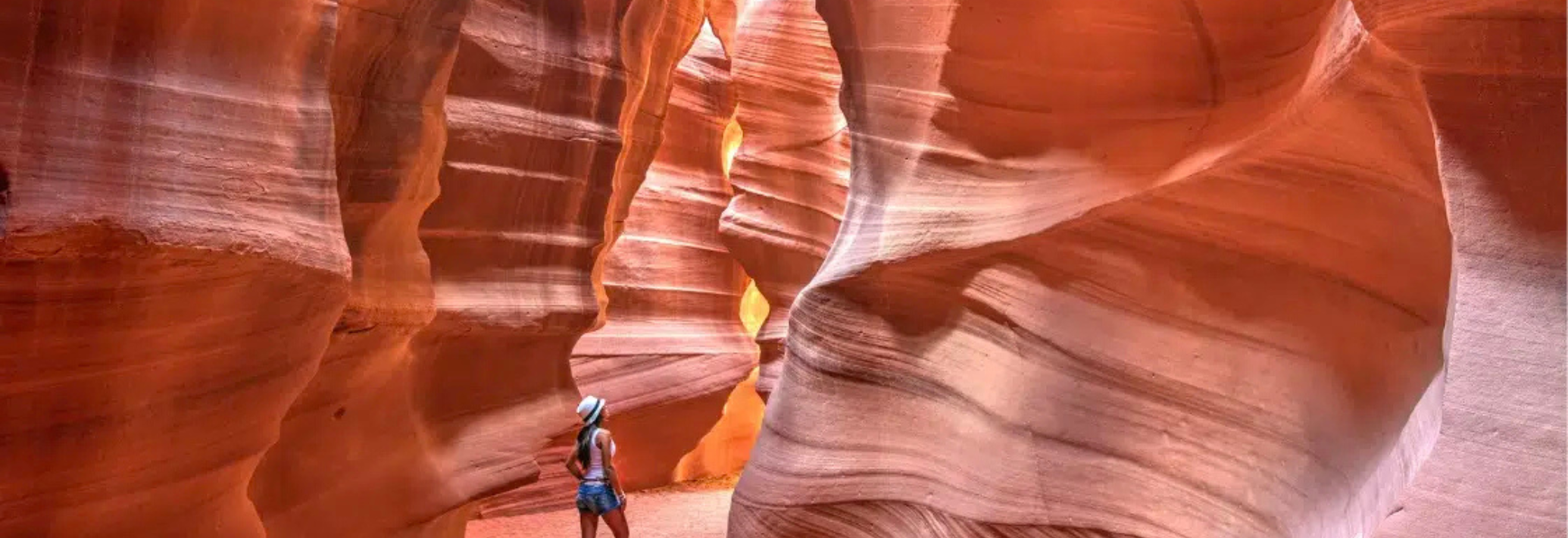
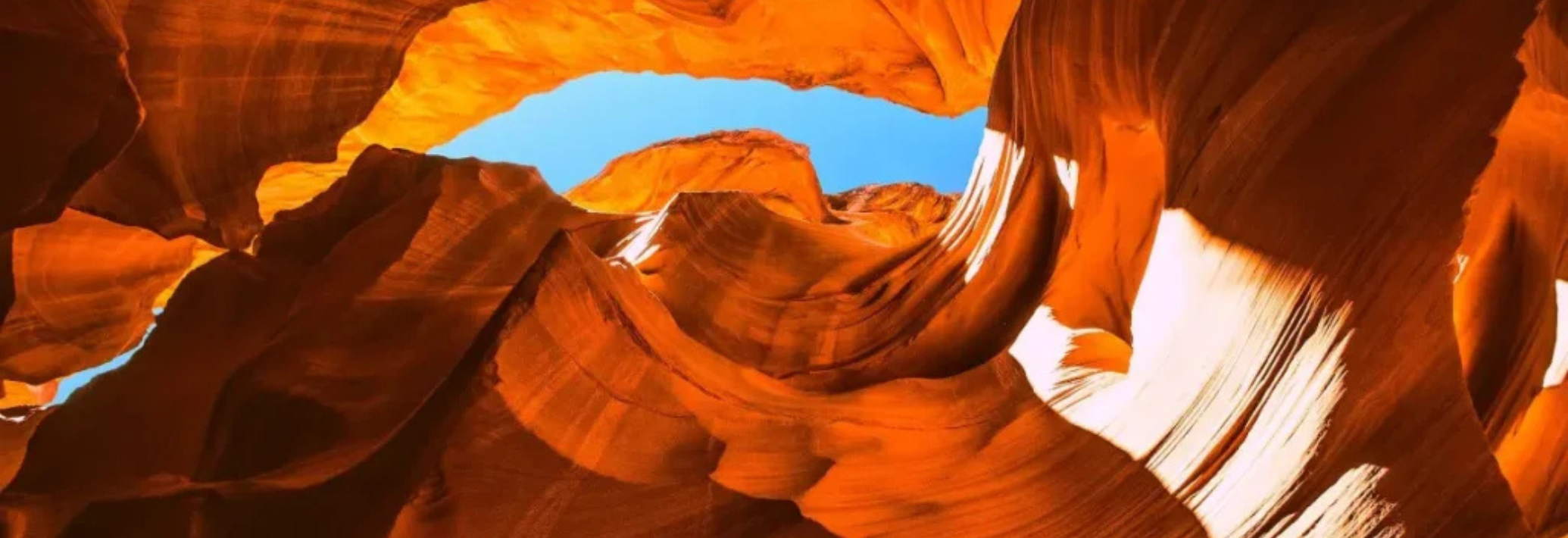
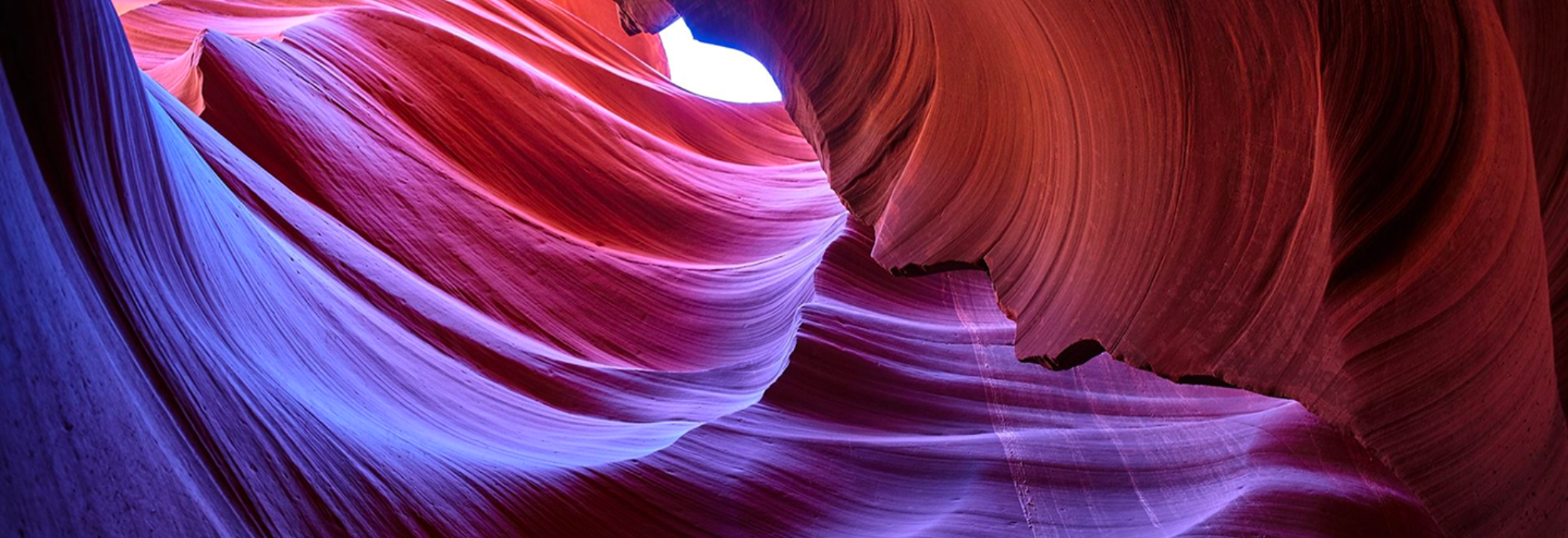
Antelope Canyon is one of the most famous natural attractions in the American Southwest. It is a slot canyon located on Navajo land near Page, Arizona, close to Lake Powell.
Key facts
- Location: Northern Arizona, near the city of Page.
- Managed by: Navajo Nation
- Type: Slot canyon formed by water erosion
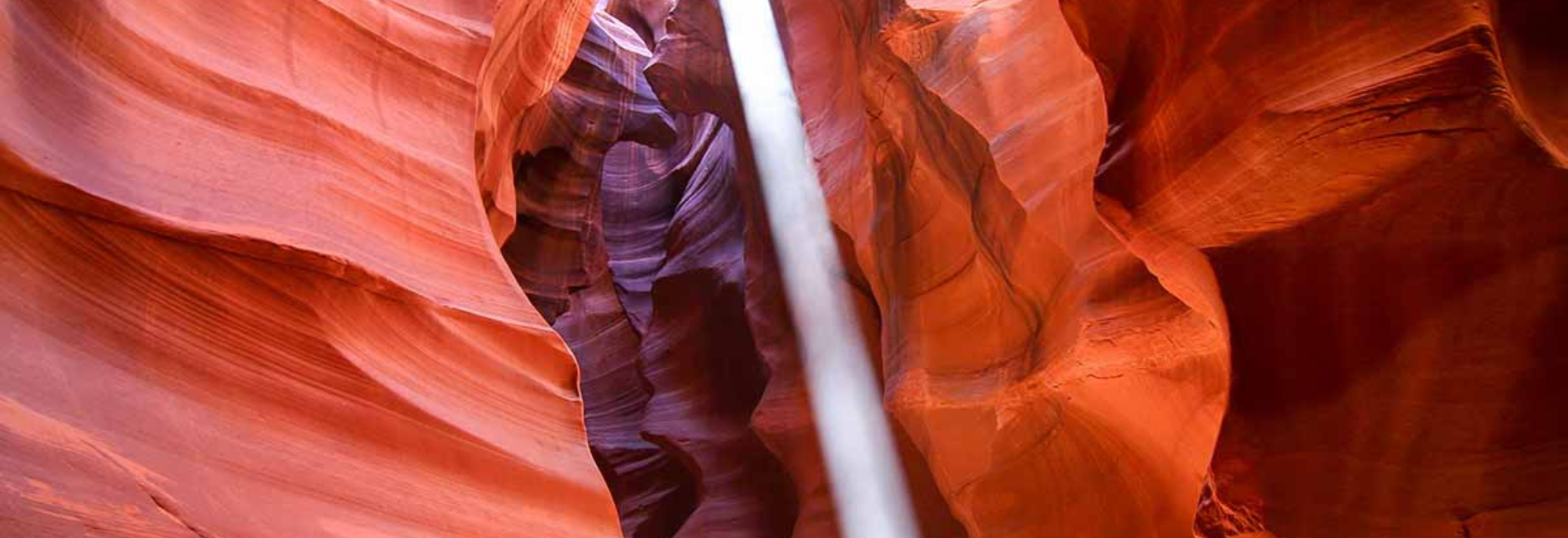
- Famous for: Light beams, smooth sandstone walls, and wave-like shapes
Formation
Antelope Canyon was created over thousands of years by flash flooding and water erosion cutting through Navajo sandstone. During storms, water rushes through the narrow canyon passages, carving the smooth curves and flowing patterns seen today.
Upper Antelope Canyon
- Easier to walk through (flat ground)
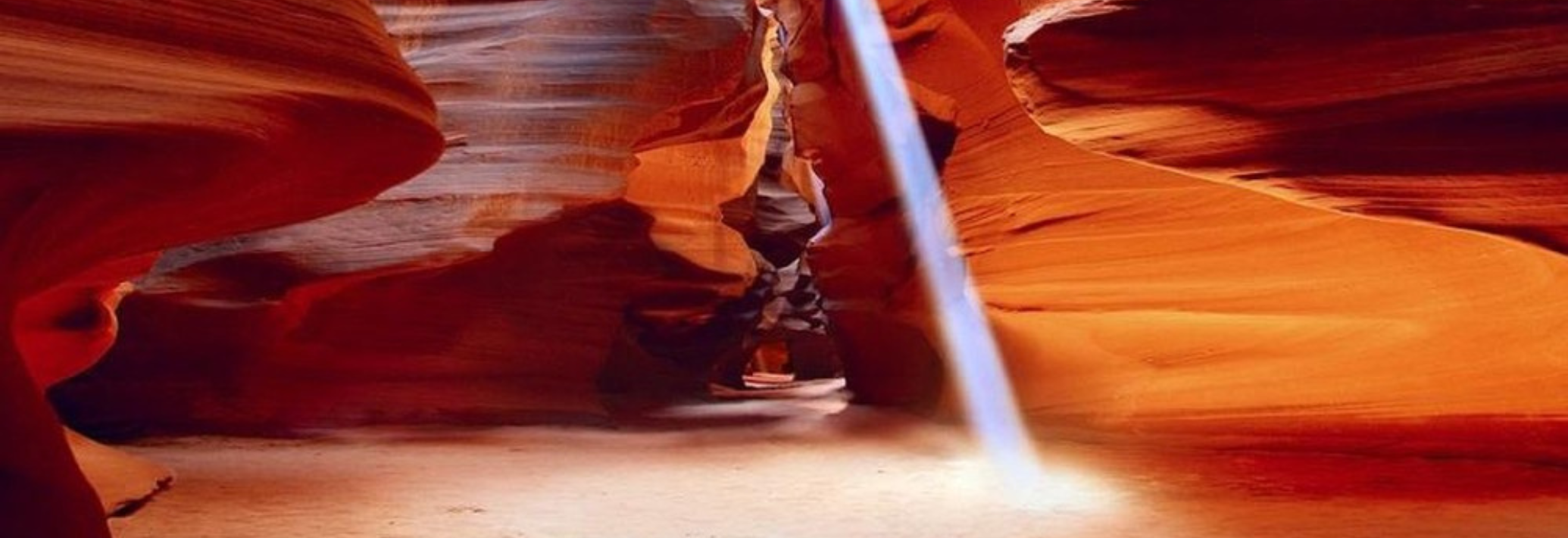
- Famous light beams shining down around midday
- Most popular for photography
Upper Antelope Canyon is a world-famous slot canyon located east of Page, Arizona, within the Lake Powell Navajo Tribal Park on Navajo Nation land. Renowned for its soaring sandstone walls and radiant light beams, it is one of the most photographed natural formations in the American Southwest and a cornerstone of the region’s tourism economy.
Key facts
- Location: Near Page, Arizona, Navajo Nation
- Local name: Tsé bighánílíní (“the place where water runs through rocks”)
- Access: Guided tours only, led by authorized Navajo guides
- Length of walk: ~0.6 mile (1 km), mostly level sandy floor
- Best viewing season: Late March – early October, 10:30 AM – 1:30 PM for light beams
Geology and formation
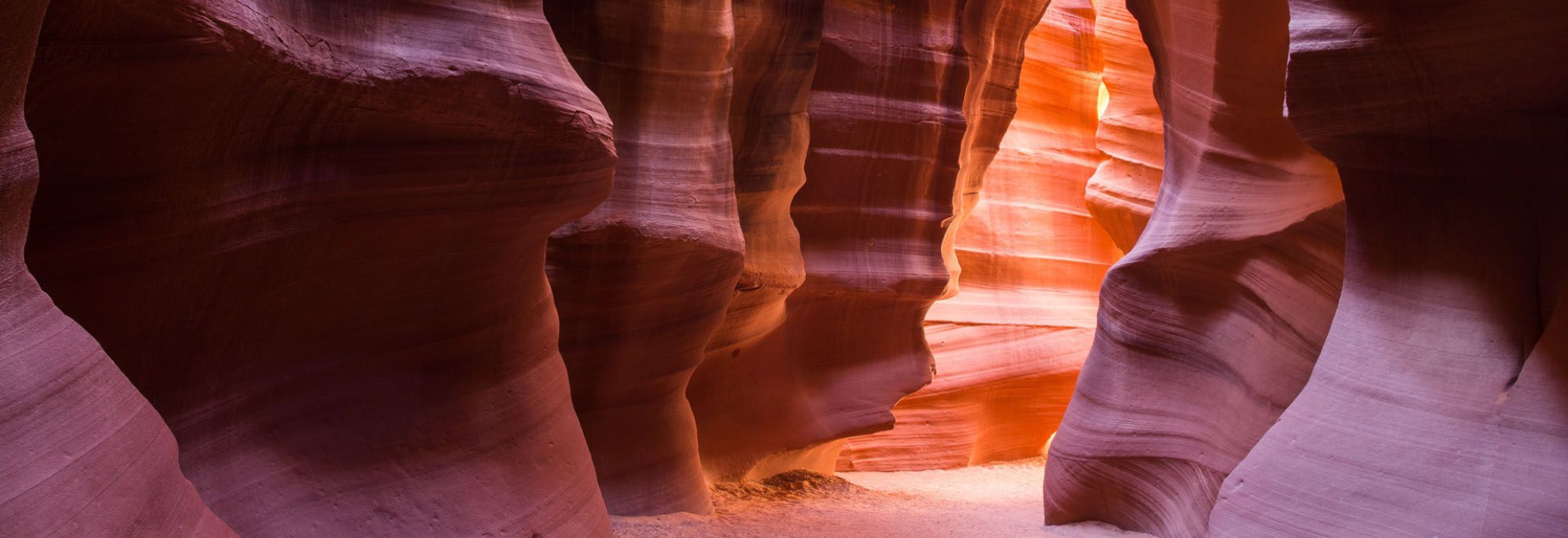
Upper Antelope Canyon formed over millennia as flash floods from Antelope Creek carved deep, narrow corridors into Navajo Sandstone. Its “A-shaped” cross-section—wider at the base than at the top—creates a dim, cathedral-like space where sunlight filters in narrow shafts. Erosion continues to sculpt the canyon, occasionally altering its interior contours after seasonal floods.
Visiting experience
Tours begin in Page or at the canyon’s parking area off Arizona Route 98. Visitors ride in 4×4 vehicles across a sandy wash before walking through the half-mile slot. Because of confined space and high demand, group sizes are limited and photography time is brief. Tripods, backpacks, and food are prohibited for safety and conservation reasons. Average cost ranges from $90 to $150 per person, including the Navajo Park entry fee.
Visual and cultural significance
The canyon’s smooth red-orange walls and seasonal light beams make it a sought-after subject for landscape photography and travel media. Its Navajo name and guided-tour requirement reflect the Nation’s stewardship and cultural interpretation of the site, emphasizing respect for both natural forces and Indigenous heritage.
Current status and considerations
Rated about 4.4 stars on major travel platforms, Upper Antelope Canyon draws visitors year-round but often sells out weeks in advance. Sudden flash floods remain a hazard; tours are canceled if weather poses risk. While some travelers note crowded and rapid tours, most regard the experience as an unparalleled glimpse into the desert’s sculptural geology.
Lower Antelope Canyon
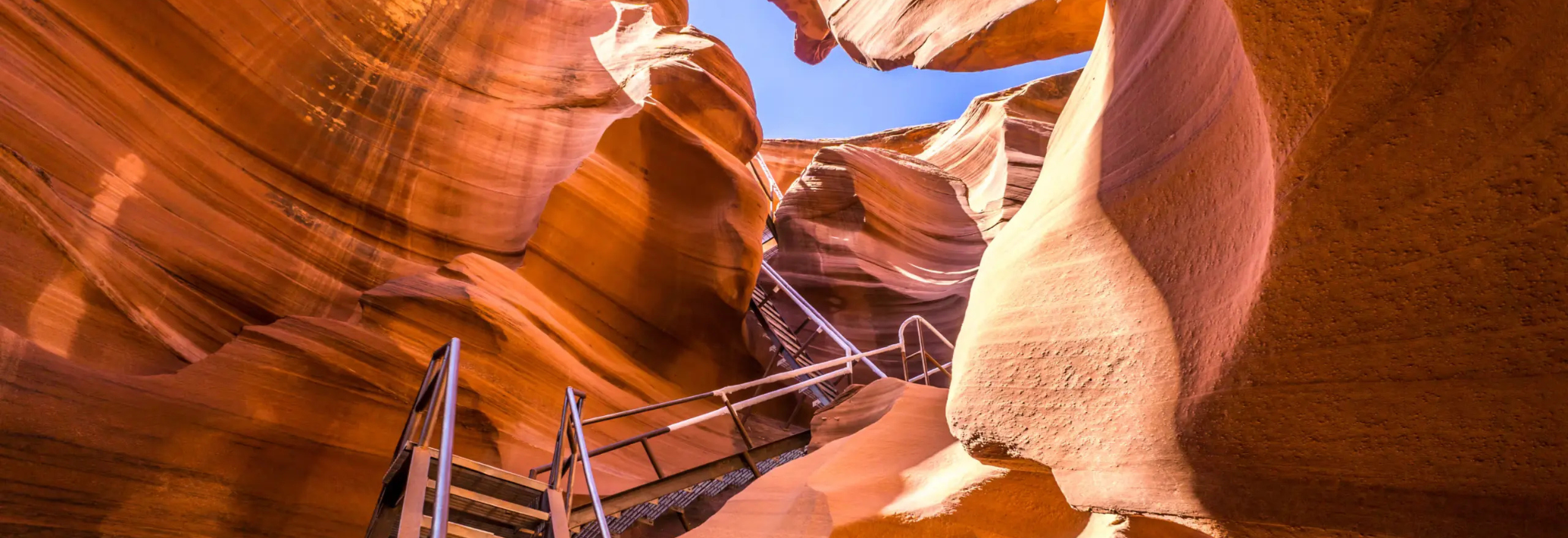
- Narrower with stairs and ladders
- Slightly more adventurous
- Often less crowded
Lower Antelope Canyon is a narrow slot canyon located east of Page, Arizona, on Navajo Nation land. Known in Navajo as Hazdistazí (“spiral rock arches”), it features flowing sandstone walls sculpted by flash floods over millions of years. Its twisting corridors, rich color gradients, and interplay of light and shadow make it one of the most photographed natural formations in the American Southwest.
Key facts
- Location: Page, Arizona (Navajo Nation)
- GPS coordinates: 36.9031° N, 111.4134° W
- Formation: Erosion of Navajo sandstone by flash floods
- Tour access: Guided Navajo tours only
- Length: Approx. 300 m (1,000 ft) passage inside canyon
Geology and formation
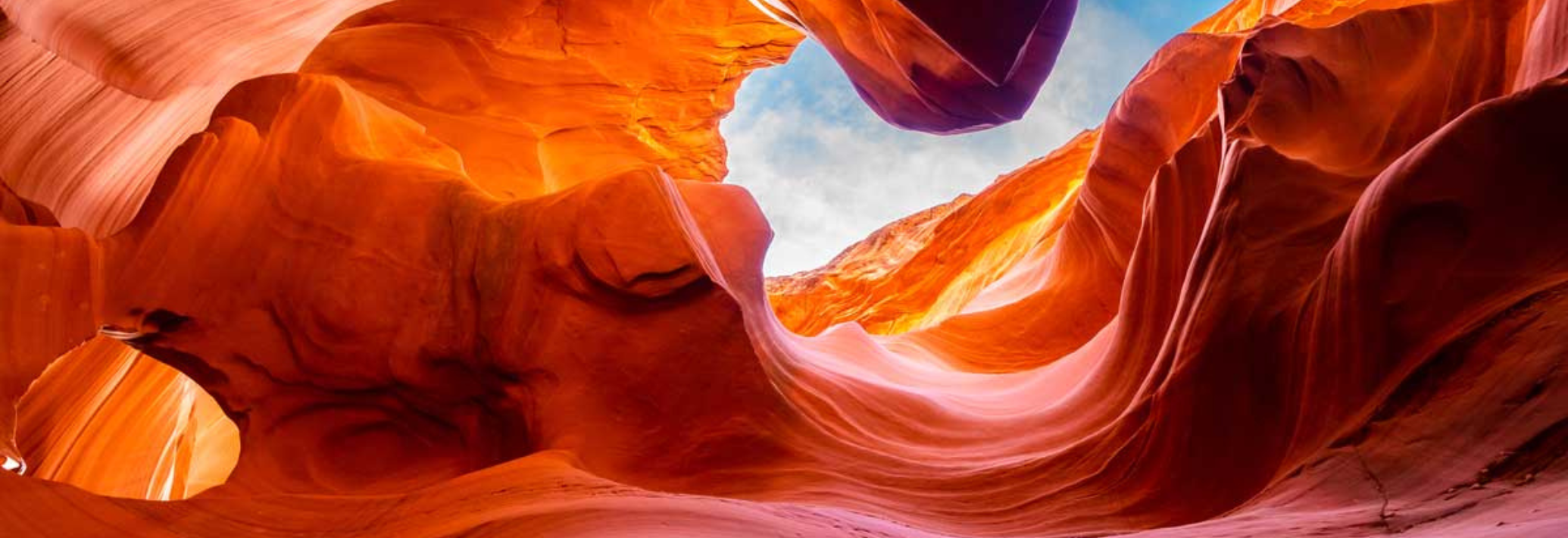
Carved through 190-million-year-old Navajo sandstone, Lower Antelope Canyon took shape during the Jurassic Period as wind and flash-flood erosion widened narrow cracks into curving tunnels. The V-shaped canyon walls display smooth, striated layers of red, orange, and purple rock that seem to flow like liquid stone. Each flood season subtly alters its contours, continuing nature’s sculptural process.
Visiting and tours
Visitors may enter only with certified Navajo guides through operators such as Ken’s Tours and Dixie Ellis Tours. Tours last about 60–90 minutes, involving stairways and metal ladders that descend from desert surface into the canyon floor. The walk covers roughly a kilometer, with about 400 m inside the slot itself. Because of flash-flood risk, tours are suspended during storms and all groups follow weather monitoring systems.
Light and photography
Unlike the wider Upper Antelope Canyon, Lower Antelope is narrower and deeper, emphasizing reflected rather than direct sunlight. Midday rays (around 11 a.m.–1 p.m.) produce warm golden reflections, while morning and afternoon light creates soft violet tones. Iconic formations such as “The Woman in the Wind” and “The Lion’s Head” are favorites for photographers. Tripods and large bags are prohibited, but guides assist visitors with camera settings for optimal shots.
Cultural significance and safety
Lower Antelope Canyon is sacred to the Navajo people, who regard it as a creation of holy forces. The site is part of Lake Powell Navajo Tribal Park and represents both a geological wonder and a place of spiritual respect. A 1997 flash flood that killed eleven visitors led to major safety upgrades—fixed ladders, cargo nets, and continuous weather alerts—ensuring safe exploration of this extraordinary natural corridor.
Cultural Meaning
For the Navajo people, Antelope Canyon is a sacred place. The Navajo name is “Tsé bighánílíní,” meaning “the place where water runs through rocks.”
Visiting
For the Navajo people, Antelope Canyon is a sacred place. The Navajo name is “Tsé bighánílíní,” meaning “the place where water runs through rocks.”
- Visitors must join a guided tour operated by Navajo guides.
- Best time to see light beams: late spring to early fall (around 11 AM–1 PM).